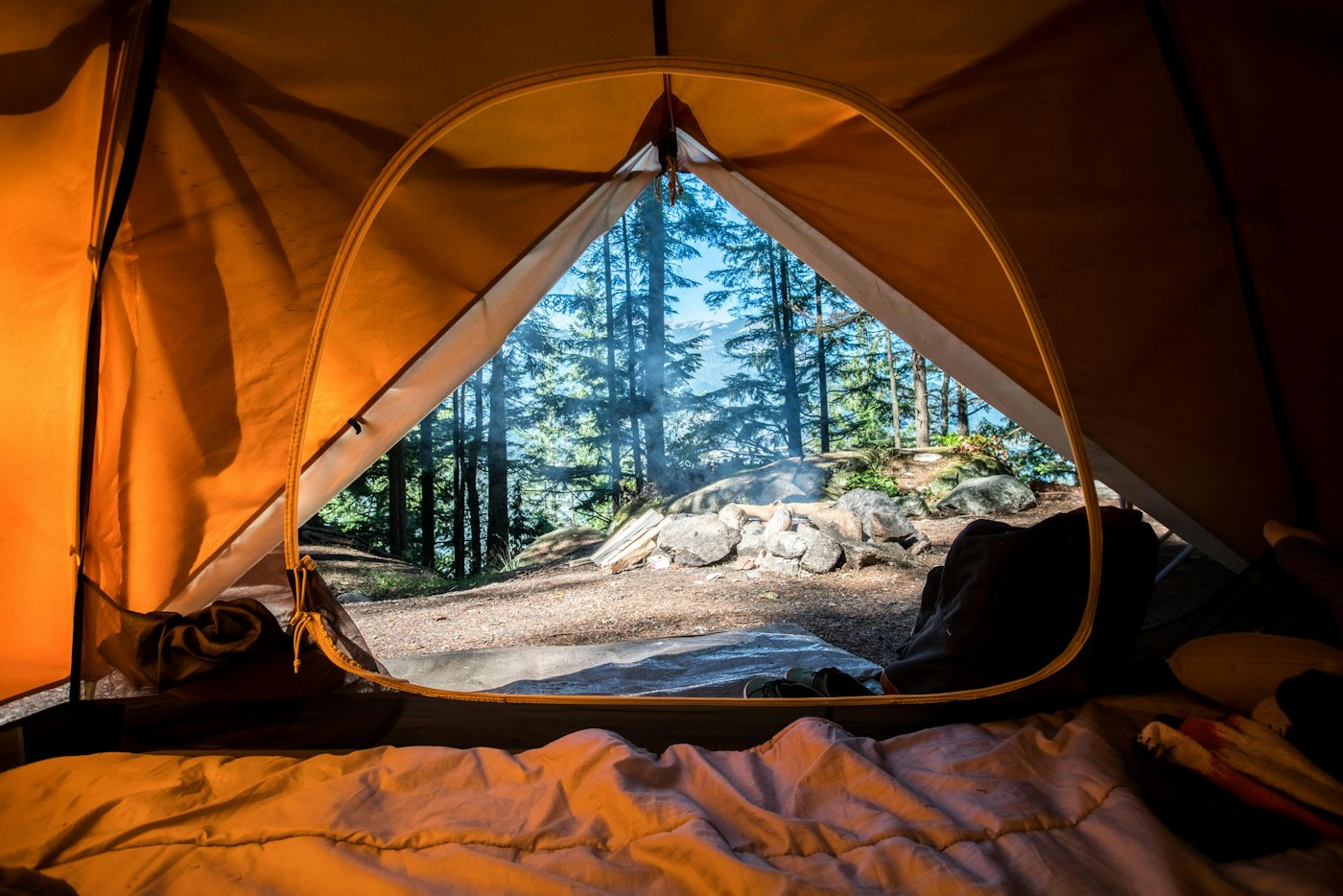
The Ultimate Camping Guide: Everything You Need to Know for an Unforgettable Outdoor Adventure
Your complete resource for gear, skills, safety, and expert tips to master the art of camping in any season and terrain.
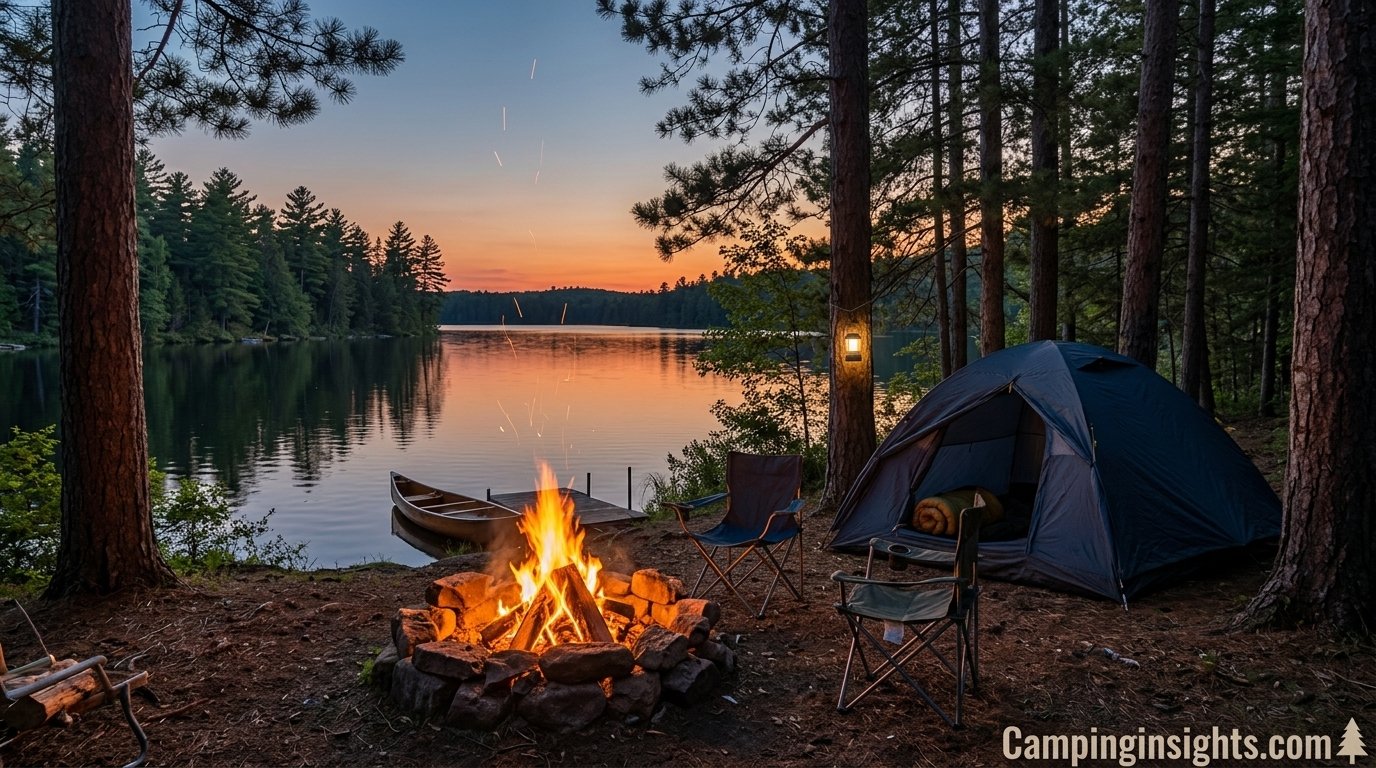
What Is Camping and Why Does It Matter?
Camping is one of the oldest and most rewarding outdoor activities known to humanity. At its core, camping involves leaving the comfort of your home behind and spending one or more nights outdoors, typically in a natural setting such as a forest, mountainside, desert, or lakeside area. It is an activity that transcends age, culture, and background — bringing people together under open skies and reminding us of our deep connection to the natural world.
But camping is far more than just sleeping in a tent. It is a multifaceted experience that combines physical activity, problem-solving, creativity, and mindfulness. When you camp, you learn to build shelter, start a fire, cook meals with limited resources, navigate terrain, and adapt to changing weather conditions. These are not just recreational skills — they are fundamental human competencies that have sustained civilizations for millennia.
The appeal of camping lies in its versatility. For some, it is a chance to disconnect from the constant noise of modern life — the notifications, the screens, the endless stream of information. For others, it is an opportunity to challenge themselves physically and mentally, pushing beyond comfort zones and discovering reserves of resilience they did not know they had. For families, camping creates shared memories that last a lifetime, teaching children about nature, responsibility, and self-reliance in ways that no classroom can replicate.
The Health Benefits of Camping
Research consistently shows that spending time outdoors delivers measurable health benefits. Exposure to natural light helps regulate your circadian rhythm, leading to better sleep quality. The physical demands of hiking, setting up camp, and gathering firewood provide a full-body workout that improves cardiovascular health, builds strength, and boosts endurance. Perhaps most importantly, time in nature has been shown to reduce cortisol levels — the hormone associated with stress — by significant margins.
A study published in the journal Environmental Health and Preventive Medicine found that participants who spent time walking in forests experienced lower cortisol concentrations, lower pulse rates, and lower blood pressure compared to those who walked in urban environments. This phenomenon, sometimes called “forest bathing” or shinrin-yoku, underscores the therapeutic power of natural settings.
Camping also promotes mental clarity and emotional well-being. The absence of digital distractions allows your mind to enter a state of relaxed awareness — what psychologists call “soft fascination.” Unlike the hard fascination of screens and social media, soft fascination allows your brain to rest, recover, and process thoughts more effectively. Many campers report feeling more creative, more focused, and more emotionally balanced after even a short trip into the wilderness.
A Brief History of Camping
While humans have slept outdoors since the dawn of our species, recreational camping as we know it today has its roots in the late 19th century. The early camping movement was driven by a desire to escape the industrialization of cities and reconnect with nature. In 1861, Frederick Gunn established what is often considered the first organized camp in the United States — the Gunnery Camp in Washington, Connecticut — where he took students on a two-week outdoor excursion.
The movement grew rapidly. By the early 1900s, organizations like the Boy Scouts (founded in 1907) and the Girl Guides had formalized camping as a cornerstone of youth development. The founding of the National Park Service in 1916 further democratized access to wild spaces, making it possible for ordinary families to experience the grandeur of places like Yellowstone, Yosemite, and the Grand Canyon.
Today, camping is a multi-billion-dollar industry with a rich ecosystem of gear manufacturers, campground operators, content creators, and outdoor educators. According to the Outdoor Industry Association, over 50 million Americans go camping each year, and the numbers continue to grow as more people seek authentic outdoor experiences.
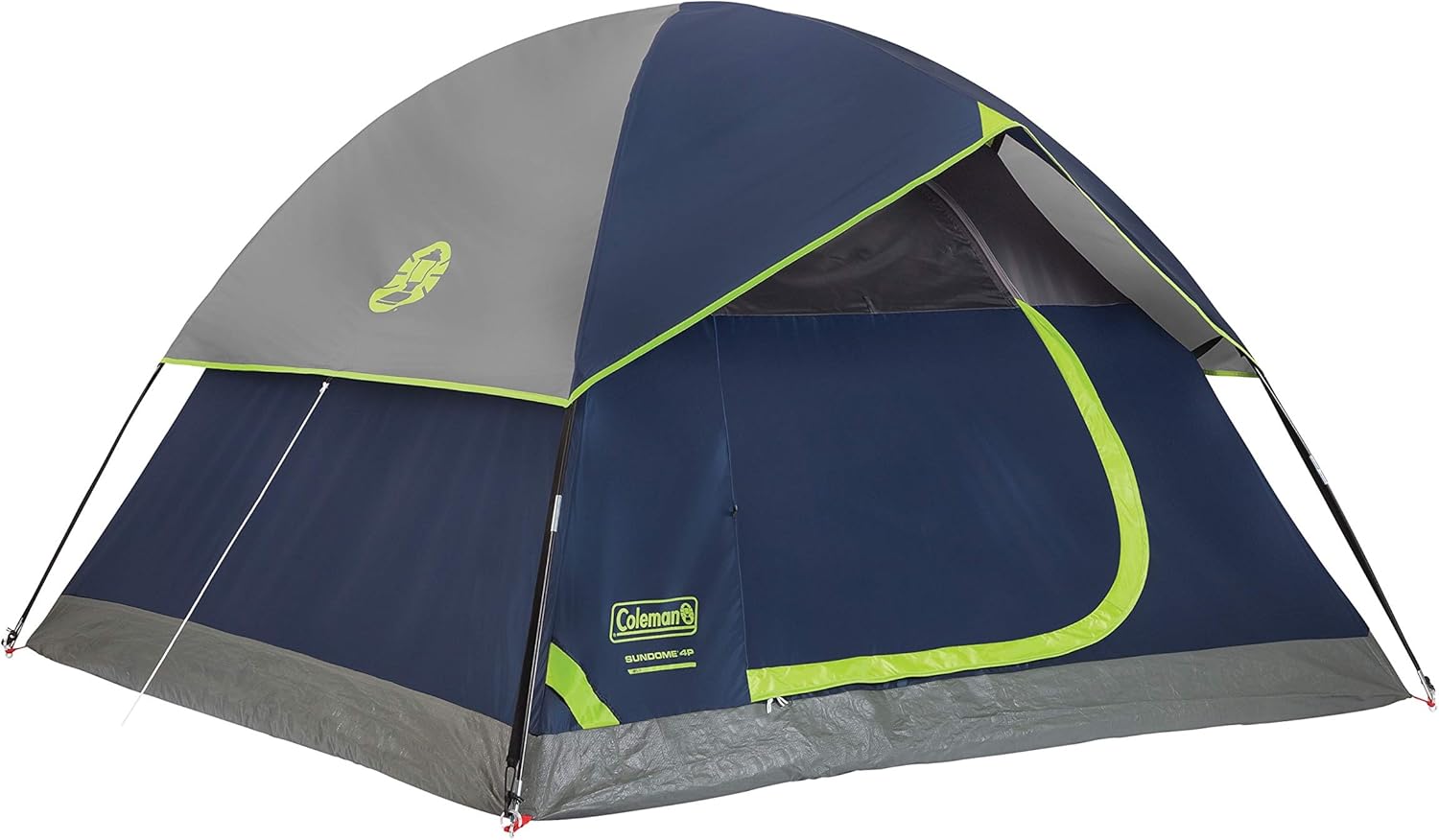
Start Your Adventure with the Right Tent
A reliable tent is the foundation of every great camping trip. The Coleman Sundome offers easy setup, weather protection, and excellent ventilation at an affordable price.
View on AmazonTypes of Camping: Finding Your Perfect Style
One of the most beautiful aspects of camping is that there is no single “right” way to do it. From minimalist ultralight backpacking to luxurious glamping setups, the spectrum of camping styles is remarkably broad. Understanding the different types of camping helps you choose the experience that best matches your interests, fitness level, budget, and comfort preferences.
Tent Camping
Tent camping is the most traditional and widely practiced form of camping. It involves carrying a tent — your portable shelter — to a campsite, setting it up, and sleeping inside it for one or more nights. Tent camping can take place at established campgrounds with amenities like restrooms, fire rings, and picnic tables, or in more remote backcountry locations where you must be entirely self-sufficient.
The beauty of tent camping lies in its simplicity and accessibility. You do not need expensive equipment or specialized skills to get started. A basic tent, a sleeping bag, and a sleeping pad are enough to get you out into nature. As you gain experience, you can upgrade your gear, refine your techniques, and explore increasingly challenging environments.
Choosing the right tent is one of the most important decisions you will make as a camper. Factors to consider include capacity (how many people it sleeps), seasonality (three-season vs. four-season), weight, packed size, ease of setup, and weather resistance. If you are just starting out, a quality three-season tent from a reputable brand will serve you well in the vast majority of conditions. For a detailed breakdown of the best options available, check out our guide to the best camping tents.
Tent maintenance is also crucial for long-term performance. Over time, tent fabric can lose its waterproof coating, seams can degrade, and zippers can become sticky or broken. Learning how to maintain and repair your tent extends its lifespan significantly. Our guide on how to make a tent waterproof covers everything from seam sealing to applying durable water repellent (DWR) treatments. And if you encounter damage in the field, having a reliable tent repair kit on hand can save your trip.
Car Camping
Car camping is a subset of tent camping where you drive your vehicle directly to your campsite and unload your gear from the car. This style eliminates the need to carry everything on your back, which means you can bring more comfort items — larger tents, thicker sleeping pads, camp chairs, full-size coolers, cast iron cookware, and even portable grills.
Car camping is ideal for beginners, families with young children, and anyone who wants to enjoy the outdoors without sacrificing too much comfort. Most established campgrounds in state and national parks are designed for car camping, with designated parking spots adjacent to each campsite.
The trade-off is that car camping sites tend to be less secluded than backcountry sites. You will likely have neighbors, and the sounds of other campers, vehicles, and generators can detract from the wilderness experience. However, for many people, the convenience and accessibility of car camping far outweigh these drawbacks.
Backpacking
Backpacking represents the more adventurous end of the camping spectrum. In backpacking, you carry everything you need — shelter, food, water, clothing, and gear — on your back as you hike to remote campsites that are inaccessible by vehicle. Backpacking trips can range from overnight excursions to multi-week thru-hikes covering hundreds of miles.
The defining characteristic of backpacking is the emphasis on lightweight, compact gear. Every ounce matters when you are carrying your home on your shoulders for miles at a time. This has spawned an entire subculture of ultralight backpacking, where enthusiasts obsess over gram savings and use innovative materials like Dyneema composite fabrics, titanium cookware, and carbon fiber trekking poles.
Backpacking requires a higher level of fitness, navigation skills, and outdoor knowledge compared to car camping. You need to understand map and compass navigation, water purification techniques, bear canister requirements, and Leave No Trace principles. The learning curve is steeper, but the rewards are immense — pristine wilderness, solitude, and a profound sense of self-sufficiency.
Glamping
Glamping — a portmanteau of “glamorous” and “camping” — has exploded in popularity in recent years. It offers the experience of being in nature without the discomforts traditionally associated with camping. Glamping accommodations can include safari-style canvas tents with real beds and furniture, treehouses, yurts, converted shipping containers, geodesic domes, and even renovated Airstream trailers.
Glamping is perfect for people who want to experience the beauty of the outdoors but are not ready to commit to sleeping on the ground in a basic tent. It is also popular for romantic getaways, special occasions, and luxury travel experiences. Many glamping resorts offer amenities like hot tubs, gourmet meals, guided excursions, and spa treatments.
While glamping purists might argue that it is not “real” camping, there is no denying that it introduces more people to the joys of spending time in nature. For many glampers, the experience serves as a gateway to more traditional forms of camping as they become more comfortable with the outdoors.
Canoe and Kayak Camping
Canoe and kayak camping combines paddling with camping, allowing you to access remote waterway campsites that are unreachable by foot or car. You load your gear into waterproof dry bags, stow them in your canoe or kayak, and paddle to your destination. This style of camping opens up entirely new landscapes — river corridors, island campsites, coastal waterways, and pristine lakeshores.
Water-based camping requires additional skills and gear compared to land-based camping. You need to know how to paddle safely, read water conditions, manage your gear to prevent water damage, and plan routes that account for currents, tides, and portage points. Waterproof bags and containers become essential, as even a small leak can soak your sleeping bag and clothing.
The rewards, however, are extraordinary. Paddling into a campsite on a remote island, watching the sunset over a glassy lake from your tent, and waking up to the sound of loons calling across the water — these are experiences that land-based camping simply cannot replicate.
Winter Camping
Winter camping is not for the faint of heart, but for those who embrace it, it offers a uniquely beautiful and rewarding experience. Snow-covered landscapes, frozen waterways, and the profound silence of a winter forest create an atmosphere that is unlike anything you will find in the warmer months.
Winter camping demands specialized gear and knowledge. You need a four-season tent that can withstand heavy snow loads and high winds, a sleeping bag rated for sub-zero temperatures, an insulated sleeping pad with a high R-value, and a layering system that keeps you warm without causing excessive sweating. Staying warm at night is one of the biggest challenges — our guide on how to keep your tent warm in winter provides detailed strategies for cold-weather comfort.
Choosing the right sleeping pad is critical for winter camping. The ground conducts heat away from your body much faster than cold air, so a pad with adequate insulation is essential. Check out our recommendations for the best sleeping pads for winter camping to find options that will keep you warm even on frozen ground.
Hammock Camping
Hammock camping has gained a devoted following among outdoor enthusiasts who prefer sleeping suspended between two trees rather than on the ground. A camping hammock setup typically includes a hammock body, a suspension system (straps and carabiners), a tarp for rain protection, and an underquilt or sleeping pad for insulation beneath you.
The advantages of hammock camping are significant. You do not need flat, clear ground — just two trees spaced an appropriate distance apart. Hammocks are often lighter than tent setups, making them popular with backpackers. Many campers also report sleeping better in a hammock, as the gentle rocking motion and zero-pressure-point design promote deeper rest.
The main limitation of hammock camping is the lack of suitable trees in some environments. Above the treeline, in desert landscapes, or in areas with fragile vegetation, hammock camping may not be possible or appropriate. In cold weather, you also need to manage insulation carefully, as the air flowing beneath your hammock can sap body heat rapidly.
RV and Van Camping
RV and van camping — sometimes called “vanlife” — represents the most comfortable end of the camping spectrum. With a motorhome, travel trailer, or converted van, you have a mobile home that includes a bed, kitchen, bathroom, and climate control. This style of camping is ideal for long road trips, full-time travelers, and anyone who wants the freedom of the open road without sacrificing modern comforts.
RV camping has its own unique culture and community. RV parks and campgrounds offer hookups for electricity, water, and sewer, as well as amenities like swimming pools, laundry facilities, and organized activities. Boondocking — camping off-grid without hookups — is popular among more adventurous RV campers who want to escape the crowds and camp in beautiful, undeveloped locations.
Van camping has seen a surge in popularity, particularly among younger outdoor enthusiasts. The appeal lies in the combination of mobility, minimalism, and adventure. A well-outfitted van can serve as a base camp for hiking, climbing, surfing, skiing, and other outdoor pursuits, allowing you to follow your passions wherever they lead.

Stay Warm and Comfortable All Night
A quality sleeping bag is essential for restful nights in the outdoors. Choose one rated for the temperatures you expect to encounter.
Shop Sleeping Bags on AmazonEssential Camping Gear: The Complete Checklist
Having the right gear can make the difference between a memorable adventure and a miserable ordeal. While you do not need to buy everything at once, understanding the essential categories of camping equipment helps you prioritize your purchases and build a reliable kit over time. Below, we break down every major gear category with detailed recommendations and considerations.
Shelter and Sleep System
Your shelter and sleep system are the most critical pieces of camping gear. They protect you from the elements, provide insulation from the ground, and determine how well you rest at night. A poor night’s sleep can turn even the most beautiful campsite into a miserable experience, so investing in quality shelter and sleep equipment pays enormous dividends.
Tents
The tent is your home in the wilderness. When choosing a tent, consider the following factors:
- Capacity: Tent ratings indicate the maximum number of people who can fit, but this is usually a tight squeeze. For comfortable camping, choose a tent rated for one more person than your group size. A “2-person” tent is comfortable for one person with gear; a “4-person” tent is comfortable for two or three.
- Seasonality: Three-season tents are designed for spring, summer, and fall use. They prioritize ventilation and are built to handle moderate rain and wind. Four-season tents are engineered for harsh winter conditions, with stronger poles, more robust fabrics, and less mesh ventilation.
- Weight: For car camping, weight is less of a concern. For backpacking, every ounce matters. Ultralight tents can weigh as little as 1-2 pounds but sacrifice durability and livability.
- Setup: Freestanding tents are the easiest to set up — you assemble the poles, clip or sleeve the tent body, and stake it out. Non-freestanding tents require stakes and guylines to maintain their shape, which can be challenging on rocky or hard ground. Having the right tent stakes for rocky ground makes all the difference.
- Vestibules: A vestibule is the covered area outside the tent door, typically created by the rain fly. It provides storage space for muddy boots, wet gear, and packs, keeping the interior clean and dry.
Condensation is a common issue with tents, especially in humid or cold conditions. When warm, moist air from your breath meets the cooler tent walls, water droplets form on the interior surface. This can make your gear damp and uncomfortable. Understanding how to stop condensation in your tent — through proper ventilation, site selection, and moisture management — will dramatically improve your camping comfort.
Sleeping Bags
A sleeping bag is your primary insulation system for sleeping. The two main types are:
- Down sleeping bags: Filled with goose or duck down, these bags offer the best warmth-to-weight ratio and compress to a very small size. However, down loses its insulating ability when wet, and high-quality down bags are expensive.
- Synthetic sleeping bags: Filled with polyester fibers, synthetic bags are heavier and bulkier than down but retain warmth even when damp. They are also more affordable and easier to care for.
The temperature rating of a sleeping bag indicates the lowest temperature at which it will keep an “average” sleeper warm. Look for bags tested to the EN 13537 or ISO 23537 standard, which provides three ratings: comfort, lower limit, and extreme. The comfort rating is the most relevant for most campers — it represents the temperature at which a cold sleeper would feel comfortable.
Sleeping Pads
A sleeping pad serves two purposes: cushioning and insulation. Even on a warm night, the ground will conduct heat away from your body, making you cold. A sleeping pad creates a barrier between you and the ground, trapping warm air in its insulation.
There are three main types of sleeping pads:
- Closed-cell foam pads: Lightweight, durable, and inexpensive. They provide consistent insulation and cannot puncture. However, they are bulky and offer minimal cushioning.
- Self-inflating pads: Combine open-cell foam with an air valve. They offer good insulation and comfort, are relatively compact, and are easy to use. They can puncture, so a repair kit is advisable.
- Air pads: The lightest and most compact option. They offer excellent comfort but rely entirely on trapped air for insulation unless they include built-in insulation. They are susceptible to punctures.
The R-value measures a pad’s insulation — the higher the R-value, the better it insulates. For summer camping, an R-value of 1-3 is sufficient. For three-season use, aim for 3-5. For winter camping, you need an R-value of 5 or higher. Our guide to the best sleeping pads for winter camping covers the top options for cold-weather insulation.
For those who prefer sleeping off the ground entirely, a camping cot provides a comfortable alternative. Side sleepers in particular often find cots more comfortable than sleeping pads, as they eliminate pressure points on hips and shoulders. Check out our picks for the best camping cots for side sleepers.
Cooking and Food Storage
Good food is one of the great pleasures of camping. Whether you are grilling steaks over an open fire, simmering a hearty stew on a camp stove, or simply making coffee at dawn, the right cooking gear makes mealtime a highlight of your day.
Camp Stoves
A reliable camp stove is essential for cooking meals efficiently and safely. The main types include:
- Canister stoves: Compact, lightweight, and easy to use. They screw onto pre-pressurized fuel canisters containing a blend of isobutane and propane. Ideal for backpacking and quick meals.
- Liquid fuel stoves: Burn white gas (naphtha) and perform well in cold temperatures and at high altitudes. They are more complex to operate but offer better performance in extreme conditions.
- Wood-burning stoves: Use twigs, sticks, and other biomass as fuel. They eliminate the need to carry fuel canisters but require a steady supply of dry wood and are not permitted in all areas.
- Two-burner stoves: Larger stoves designed for car camping. They provide a stable cooking surface and enough heat output for full meal preparation, including boiling large pots of water.
Cookware and Utensils
A basic camp cooking kit should include a pot (1-2 liters for most groups), a frying pan or skillet, a spatula, a serving spoon, a sharp knife, a cutting board, plates, bowls, cups, and utensils. Nesting cookware sets are popular because they pack efficiently, with pots and pans fitting inside each other to save space.
Cast iron cookware is a favorite among car campers for its excellent heat retention and distribution. A well-seasoned cast iron skillet can handle everything from pancakes to stir-fries to cornbread. The downside is weight — cast iron is heavy and impractical for backpacking.
Food Storage
Proper food storage is critical in bear country. Bears have an extraordinary sense of smell and can detect food from miles away. In many national parks and wilderness areas, you are required to store food in bear-resistant containers (bear canisters) or hang it from a bear pole or wire system. Failure to store food properly can result in fines and, more importantly, can habituate bears to human food, creating dangerous situations for future campers.
Coolers are essential for car camping trips where you want to keep perishable food fresh. High-end coolers with thick insulation can keep ice for five to ten days, while budget coolers typically hold ice for one to three days. Pre-chilling your cooler, using block ice instead of cubed ice, and minimizing the number of times you open the lid all help extend ice retention.

Cook Like a Chef in the Wild
A compact, reliable camp stove lets you prepare hot meals anywhere. Perfect for boiling water, cooking breakfast, or simmering campfire chili.
Shop Camp Stoves on AmazonClothing and Layering Systems
The clothing you wear camping can be the difference between comfort and misery. The key principle is layering — wearing multiple thin layers rather than one thick layer. This allows you to adjust your insulation as conditions change throughout the day, preventing both overheating and chilling.
The three-layer system is the gold standard for outdoor clothing:
- Base layer: Worn next to the skin, the base layer wicks moisture away from your body. Merino wool and synthetic fabrics (polyester, nylon) are the best choices. Avoid cotton — it absorbs moisture, dries slowly, and can lead to hypothermia in cold conditions.
- Mid layer: Provides insulation. Fleece jackets, down vests, and synthetic insulated jackets are popular mid-layer options. The mid layer traps warm air close to your body while allowing moisture to pass through.
- Outer layer (shell): Protects against wind and rain. A waterproof-breathable jacket (like those made with Gore-Tex or similar membranes) is the most versatile outer layer. Hard shells provide maximum protection; soft shells offer more breathability and stretch.
Footwear is equally important. Hiking boots provide ankle support and traction on rough terrain, while trail running shoes are lighter and more comfortable for well-maintained trails. Camp shoes (sandals or lightweight sneakers) give your feet a break after a long day of hiking. Always break in new boots before a camping trip to prevent blisters.
Navigation and Tools
Even in the age of GPS and smartphones, traditional navigation skills remain essential. Batteries die, screens crack, and cell service disappears in the backcountry. A map and compass are reliable, lightweight, and never run out of battery.
Essential navigation and tool items include:
- Topographic map: A detailed map of the area you will be camping in, showing terrain contours, trails, water sources, and landmarks.
- Baseplate compass: A simple, reliable compass for taking bearings and navigating by map.
- GPS device or smartphone app: Useful as a backup navigation tool. Apps like Gaia GPS, AllTrails, and CalTopo allow you to download maps for offline use.
- Headlamp: Essential for navigating camp after dark. Choose one with at least 200 lumens, a red light mode (to preserve night vision), and long battery life. Always carry spare batteries.
- Multi-tool or knife: Useful for food preparation, gear repair, first aid, and countless other tasks.
- Duct tape: Wrapping a few feet of duct tape around a water bottle or trekking pole gives you an emergency repair material that takes up no space.
Safety and First Aid
A well-stocked first aid kit is non-negotiable for any camping trip. Your kit should include adhesive bandages in various sizes, gauze pads and rolls, medical tape, antiseptic wipes, antibiotic ointment, tweezers (for splinters and ticks), scissors, pain relievers (ibuprofen, acetaminophen), antihistamines (for allergic reactions), blister treatment supplies, and any personal medications.
Beyond first aid supplies, safety gear should include:
- Whistle: Three blasts on a whistle is the universal distress signal. A whistle carries farther than a human voice and requires less energy.
- Emergency shelter: A lightweight emergency bivy or space blanket can be a lifesaver if you become stranded or separated from your camp.
- Fire-starting kit: Waterproof matches, a butane lighter, and a ferrocerium rod provide redundant fire-starting capability.
- Sun protection: Sunscreen (SPF 30+), sunglasses with UV protection, and a wide-brimmed hat protect against sunburn and heat-related illness.
- Insect repellent: DEET-based or picaridin-based repellents are most effective against mosquitoes and ticks. Permethrin-treated clothing provides additional protection.

Be Prepared for Anything
A comprehensive first aid kit is essential for every camping trip. This well-stocked kit includes everything you need for wilderness emergencies.
Shop First Aid Kits on AmazonChoosing the Perfect Campsite
Selecting the right campsite is both an art and a science. The location where you pitch your tent affects your comfort, safety, and overall camping experience more than almost any other factor. A great campsite provides protection from the elements, access to water, level ground for sleeping, and a pleasant environment. A poor campsite can leave you exposed to wind, flooding, insects, and uncomfortable terrain.
What to Look For
When scouting for a campsite, evaluate the following factors:
- Terrain: Look for flat, level ground with a slight natural drainage slope. Avoid camping in depressions or dry riverbeds that could flood in heavy rain. A gentle slope of 2-3 degrees is ideal — enough to drain water away from your tent but not enough to cause you to slide during the night.
- Ground surface: Check for rocks, roots, sticks, and pine cones that could puncture your tent floor or create uncomfortable lumps under your sleeping pad. Clear the area before setting up your tent.
- Wind protection: Natural windbreaks like rock formations, dense tree lines, or ridgelines can dramatically reduce wind exposure. Position your tent so the door faces away from the prevailing wind direction.
- Water proximity: Camping near a water source is convenient for cooking, cleaning, and hydration. However, most land management agencies require you to camp at least 200 feet (70 steps) from lakes, rivers, and streams to protect riparian ecosystems and water quality.
- Shade: In warm weather, shade from trees or rock formations keeps your tent cooler during the day. In cold weather, direct sunlight can help warm your tent in the morning — a valuable benefit when temperatures drop overnight.
- Hazards: Look up before you set up. Dead branches (“widow makers”) hanging above your campsite can fall in wind or storms. Avoid camping under lone tall trees that attract lightning. Check for ant mounds, animal burrows, and poison ivy.
Established Campgrounds vs. Dispersed Camping
Established campgrounds offer designated campsites, amenities like restrooms and fire rings, and often require reservations and fees. They are ideal for beginners, families, and anyone who wants a predictable, comfortable experience. Many state and national park campgrounds can be reserved through platforms like Recreation.gov.
Dispersed camping (also called primitive camping or boondocking) involves camping on public lands outside of established campgrounds. It is typically free, offers greater solitude, and allows you to choose your own campsite. However, dispersed camping requires more self-sufficiency — there are no restrooms, no water spigots, and no campground hosts to help if something goes wrong.
In national forests and on Bureau of Land Management (BLM) land, dispersed camping is generally allowed for up to 14 days within a 28-day period. Rules vary by location, so always check with the local ranger district before setting up camp.

Find Your Perfect Shelter
The right tent transforms any campsite into a comfortable home base. Explore top-rated options for every style of camping.
Read Our Tent GuideSetting Up Camp Like a Pro
Setting up camp efficiently is a skill that improves with practice. A well-organized camp is more comfortable, safer, and easier to manage. Whether you are arriving at a car camping site in the afternoon or pitching a tent in the backcountry after a long day of hiking, a systematic approach to camp setup ensures that nothing gets overlooked.
The Order of Operations
Experienced campers follow a general sequence when setting up camp:
- Scout the site: Walk the entire area before unloading any gear. Identify the best spot for your tent (flat, clear, protected), a location for your kitchen area (at least 200 feet from your tent in bear country), and a spot for your “bathroom” area (at least 200 feet from water sources and camp).
- Clear the ground: Remove rocks, sticks, and debris from your tent area. This prevents punctures and makes sleeping more comfortable.
- Pitch the tent: Set up your tent first, especially if weather is uncertain. A tent provides immediate shelter if rain arrives unexpectedly. Lay down a footprint (ground cloth) slightly smaller than your tent floor to protect against moisture and abrasion.
- Organize your sleep system: Inflate your sleeping pad, unroll your sleeping bag, and arrange your pillow and any other comfort items inside the tent.
- Set up the kitchen: Establish a cooking area downwind from your tent, on a stable surface. Set up your stove, organize your food and cookware, and prepare your water filtration system.
- Store food properly: In bear country, store all food, toiletries, and scented items in a bear canister, bear box, or by hanging them from a bear pole. Never store food in your tent.
- Set up camp furniture: If you brought camp chairs, a table, or a hammock, set them up last. These are comfort items that can wait until the essentials are in place.
Tent Setup Tips
Practice setting up your tent at home before your first camping trip. Familiarity with the process makes setup faster and less frustrating, especially if you arrive at camp late or in bad weather. Here are additional tips for tent setup:
- Use a footprint: A footprint (ground cloth) protects your tent floor from abrasion and moisture. Cut or fold it slightly smaller than your tent floor so it does not extend beyond the tent edges — exposed ground cloth can channel rainwater under your tent.
- Stake it out: Even in calm weather, stake your tent and rain fly securely. Wind can arrive suddenly, and an unstaked tent can become a tumbling hazard. If the ground is too hard for standard stakes, you need tent stakes designed for rocky ground.
- Tension the rain fly: A properly tensioned rain fly creates an air gap between the fly and the tent body, which improves ventilation and reduces condensation. Tighten all guylines and adjust the fly tension as needed.
- Orient the door wisely: Position the tent door away from prevailing winds and toward a pleasant view. If you are camping near other people, orient the door away from their campsite for privacy.
Camp Organization
A well-organized camp is easier to navigate, especially in the dark. Use headlamps, lanterns, and glow sticks to mark key areas. Keep frequently used items (water bottles, headlamps, snacks) in a consistent, easily accessible location. Designate a “dirty” area outside the tent for muddy boots and wet gear, and keep the tent interior clean and dry.
Establish a camp kitchen zone that is separate from your sleeping area. This is especially important in bear country, where food odors can attract wildlife to your tent. Cook, eat, and store food at least 200 feet downwind from your sleeping area.

Upgrade Your Camp Setup
From tent stakes to camp furniture, the right gear makes setup faster and your camp more comfortable.
Shop Camping Gear on AmazonCampfire Cooking and Meal Planning
There is something primal and deeply satisfying about cooking over an open fire. The crackle of burning wood, the glow of embers, the smoky aroma of food sizzling in a cast iron pan — campfire cooking engages all your senses and transforms a simple meal into a memorable experience. Whether you are a backcountry minimalist or a car camping gourmet, mastering campfire cooking will elevate your outdoor adventures.
Building a Cooking Fire
Not all fires are created equal. A roaring bonfire is great for warmth and ambiance, but it is terrible for cooking — the flames are too high and unpredictable. For cooking, you want a bed of hot, glowing coals that provides steady, even heat. Here is how to build one:
- Gather materials: You need three types of fuel — tinder (dry leaves, grass, bark shavings, cotton balls with petroleum jelly), kindling (pencil-thin sticks and twigs), and fuel wood (wrist-thick logs and branches).
- Build the fire structure: Place a bundle of tinder in the center of your fire ring. Arrange kindling in a teepee or log cabin structure around the tinder, leaving gaps for airflow.
- Light the tinder: Use matches, a lighter, or a ferro rod to ignite the tinder. Blow gently at the base to provide oxygen and encourage the flames to spread to the kindling.
- Add fuel wood gradually: Once the kindling is burning well, add progressively larger pieces of fuel wood. Avoid adding too much at once — smothering the fire with wood cuts off airflow and kills the flames.
- Wait for coals: Let the fire burn down until you have a bed of glowing red coals with minimal visible flames. This is your cooking surface. Spread the coals evenly for consistent heat.
Campfire Cooking Methods
There are several ways to cook over a campfire, each suited to different types of food:
- Direct grilling: Place a grill grate over the fire and cook food directly on it. This works well for burgers, steaks, hot dogs, vegetables, and fish. Keep a spray bottle of water handy to control flare-ups from dripping fat.
- Foil packet cooking: Wrap seasoned ingredients in heavy-duty aluminum foil and place the packets on hot coals. This method is incredibly versatile — you can make everything from roasted vegetables to complete meals. The foil traps steam, cooking food evenly and keeping it moist.
- Cast iron cooking: A cast iron skillet or Dutch oven is the workhorse of campfire cooking. You can fry, sauté, bake, braise, and stew with cast iron. A Dutch oven with legs and a flanged lid can be placed directly on coals, with additional coals piled on the lid for even heat distribution — essentially creating an outdoor oven.
- Stick cooking: The simplest campfire cooking method. Skewer food on a green (freshly cut) stick and hold it over the fire. This works well for hot dogs, marshmallows, bread dough wrapped around a stick, and even fish.
- Tripod cooking: Suspend a pot from a tripod of sticks over the fire for soups, stews, and boiling water. This method provides hands-free cooking and allows you to control the heat by raising or lowering the pot.
Meal Planning for Camping Trips
Good meal planning prevents food waste, ensures you have enough nutrition and calories, and simplifies camp cooking. Here are some planning principles:
- Plan every meal: Write out a meal plan for each day of your trip, including breakfast, lunch, dinner, and snacks. This helps you pack the right amount of food and avoid the frustration of discovering you forgot a key ingredient.
- Prep at home: Chop vegetables, marinate meats, pre-mix dry ingredients, and portion out snacks into bags before you leave home. This reduces prep time at camp and minimizes the amount of waste you need to pack out.
- Choose one-pot meals: Meals that can be prepared in a single pot or skillet reduce cleanup time and the amount of cookware you need to carry. Chili, pasta, stir-fries, and soups are excellent one-pot options.
- Pack calorie-dense foods: Camping burns more calories than your normal routine. Nuts, dried fruit, cheese, peanut butter, chocolate, and energy bars provide concentrated calories in lightweight, packable formats.
- Don’t forget the coffee: For many campers, morning coffee is non-negotiable. A portable pour-over, a French press, or a simple percolator can produce excellent camp coffee. Instant coffee is the lightest option for backpackers.
Easy Camping Recipes
Breakfast: Campfire Skillet Hash
Dice potatoes, onions, and bell peppers. Cook in a cast iron skillet with oil until the potatoes are golden and crispy. Add pre-cooked sausage or bacon, season with salt, pepper, and paprika. Top with shredded cheese and serve with hot sauce. This hearty breakfast fuels a full day of outdoor activity.
Lunch: Turkey and Avocado Wraps
Spread hummus or cream cheese on a tortilla. Layer sliced turkey, avocado, spinach, tomato, and a squeeze of lemon juice. Roll tightly and slice in half. These wraps require no cooking, pack well for day hikes, and provide a refreshing midday meal.
Dinner: One-Pot Campfire Chili
Brown ground beef or turkey in a Dutch oven. Add diced onions, garlic, canned tomatoes, kidney beans, black beans, chili powder, cumin, and a pinch of cocoa powder. Simmer over low coals for 30-45 minutes, stirring occasionally. Serve with cornbread baked in a separate Dutch oven or with crackers and shredded cheese.
Dessert: Campfire Banana Boats
Slice a banana lengthwise (keeping it in the peel). Stuff with chocolate chips, mini marshmallows, and crushed graham crackers. Wrap in foil and place on hot coals for 5-10 minutes. Unwrap and eat with a spoon — it is essentially a deconstructed s’mores in a banana.

Cook Amazing Meals Outdoors
A quality cookware set designed for camping makes meal preparation easy and enjoyable, from simple breakfasts to gourmet campfire dinners.
Shop Cookware on AmazonWater Sourcing and Purification
Water is the most critical resource in the backcountry. A person can survive for weeks without food but only a few days without water. Dehydration impairs physical performance, cognitive function, and decision-making — all of which are essential for safe camping. Understanding how to find, collect, and purify water is a fundamental camping skill.
How Much Water Do You Need?
The general recommendation is to drink at least half a gallon (about 2 liters) of water per day under normal conditions. In hot weather, at high altitude, or during strenuous activity, you may need a gallon (nearly 4 liters) or more per day. This does not include water needed for cooking, cleaning, and hygiene.
For car camping, you can carry large water containers (5-7 gallon jugs) in your vehicle. For backpacking, you need to carry water with you and plan your route around reliable water sources. A typical backpacker carries 1-2 liters at a time and refills at streams, lakes, and springs along the trail.
Finding Water in the Wild
Water flows downhill, so valleys, ravines, and low-lying areas are the most likely places to find water. Look for these signs:
- Vegetation: Lush, green vegetation — especially willows, cottonwoods, and ferns — often indicates the presence of underground water or a nearby spring.
- Animal tracks: Converging animal trails often lead to water sources. Look for tracks heading in a consistent direction.
- Bird flight patterns: Birds often fly toward water in the early morning and evening. Watching their flight paths can help you locate streams and ponds.
- Sound: In quiet environments, you may hear the sound of running water before you see it. Stop and listen periodically, especially in valleys and canyons.
- Topographic maps: Blue lines and symbols on topographic maps indicate streams, rivers, lakes, and springs. Plan your route to pass near these features.
Water Purification Methods
Never drink untreated water from natural sources, no matter how clean it looks. Even crystal-clear mountain streams can contain harmful pathogens including bacteria (E. coli, Salmonella), viruses (Hepatitis A, Norovirus), and protozoa (Giardia, Cryptosporidium). These microorganisms can cause severe gastrointestinal illness that can turn a camping trip into a medical emergency.
Effective purification methods include:
- Boiling: The most reliable method. Bring water to a rolling boil for at least one minute (three minutes at elevations above 6,500 feet). Boiling kills all pathogens but does not remove sediment or chemical contaminants.
- Gravity filters: These systems use hollow-fiber membranes to filter water as it flows from a dirty reservoir to a clean one. They are convenient for groups and require no pumping or squeezing. Most filters remove bacteria and protozoa but not viruses.
- Squeeze filters: Compact, lightweight filters that you squeeze water through into a clean container. Popular models like the Sawyer Squeeze and the Katadyn BeFree are favorites among backpackers for their simplicity and effectiveness.
- UV purifiers: Devices like the SteriPEN use ultraviolet light to destroy the DNA of pathogens, rendering them harmless. UV purifiers work quickly (about 90 seconds per liter) but require batteries and do not work well in turbid (cloudy) water.
- Chemical treatment: Iodine tablets, chlorine dioxide drops, and other chemical treatments kill pathogens over time. They are lightweight and inexpensive but require a waiting period (typically 30 minutes to 4 hours, depending on the product and the pathogens targeted) and can leave an unpleasant taste.

Stay Hydrated Safely
A reliable water filter is one of the most important pieces of camping gear you can own. Clean water keeps you healthy and energized.
Shop Water Filters on AmazonWeather Preparedness for Campers
Weather is the single most unpredictable variable in camping. A sunny morning can turn into a thunderstorm by afternoon, and a calm evening can give way to fierce winds overnight. Successful campers do not just hope for good weather — they prepare for bad weather and know how to respond when conditions change rapidly.
Reading Weather Signs
Before the era of weather apps, campers and outdoors people relied on natural signs to predict weather changes. While these methods are not as accurate as modern forecasting, they remain useful skills, especially in areas without cell service:
- Cloud patterns: High, wispy cirrus clouds (“mare’s tails”) often precede a warm front and rain within 24-48 hours. Towering cumulonimbus clouds (thunderheads) signal imminent thunderstorms. A lowering, thickening cloud layer suggests rain is approaching.
- Wind direction: In the Northern Hemisphere, winds that shift from south or southwest to west or northwest often indicate the passage of a cold front, bringing cooler temperatures and clearing skies.
- Barometric pressure: If you have a barometer or a watch with a barometric sensor, falling pressure indicates approaching storms, while rising pressure suggests improving conditions.
- Natural indicators: Smoke that rises straight up indicates stable air and fair weather. Smoke that hugs the ground suggests low pressure and potential rain. Birds flying low or roosting unexpectedly can indicate approaching storms.
Rain Preparedness
Rain is the most common weather challenge campers face. A few hours of steady rain can turn a campsite into a muddy mess if you are not prepared. Here is how to stay dry:
- Choose a well-drained campsite: Avoid low-lying areas, dry streambeds, and anywhere water might pool during heavy rain.
- Use a rain fly: Always set up your tent’s rain fly, even if the sky is clear. Weather can change quickly, and a rain fly also provides shade and privacy.
- Seal your tent: Ensure all seams are sealed and the rain fly is properly tensioned. If your tent’s waterproof coating has degraded, learn how to make your tent waterproof with seam sealer and DWR treatments.
- Pack rain gear: A waterproof jacket, rain pants, and waterproof pack covers are essential for any camping trip where rain is possible — which is virtually every camping trip.
- Create a tarp shelter: A simple tarp strung between trees creates a covered outdoor living space where you can cook, eat, and relax even in heavy rain. This is one of the most valuable skills a camper can learn.
For more detailed strategies on camping in wet conditions, check out our comprehensive guide to camping in the rain.
Thunderstorm Safety
Thunderstorms pose serious risks to campers, including lightning, flash flooding, high winds, and hail. If a thunderstorm approaches:
- Seek shelter in a hard-topped vehicle if one is available. A car provides excellent lightning protection.
- Avoid high ground, ridgelines, and exposed areas. Lightning tends to strike the tallest object in an area.
- Avoid tall, isolated trees. While it is a myth that you should never shelter under trees, standing under a lone tall tree in an open area is extremely dangerous.
- If caught in the open, crouch low with your feet together, minimizing your contact with the ground. Do not lie flat — this increases the surface area exposed to ground current.
- Stay away from water, metal objects, and wet surfaces, all of which conduct electricity.
- Wait at least 30 minutes after the last thunder before resuming outdoor activities.
Heat and Sun Safety
Camping in hot weather presents its own set of challenges. Heat exhaustion and heat stroke are serious risks, especially for children, older adults, and people who are not acclimatized to high temperatures. Prevention strategies include:
- Stay hydrated: Drink water consistently throughout the day, even if you do not feel thirsty. Add electrolyte tablets or powder to replace salts lost through sweating.
- Seek shade: Set up a tarp or canopy over your cooking and eating area. Take breaks in the shade during the hottest part of the day (typically 10 AM to 4 PM).
- Wear appropriate clothing: Lightweight, loose-fitting, light-colored clothing reflects sunlight and allows air circulation. A wide-brimmed hat protects your face, ears, and neck.
- Use sunscreen: Apply SPF 30+ sunscreen to all exposed skin and reapply every two hours or after swimming or sweating.
- Cool down strategically: Wet a bandana and drape it around your neck. Soak your feet in a cool stream. Take a dip in a lake or river during the hottest part of the day.

Stay Dry in Any Weather
A quality tarp or rain shelter extends your living space and keeps you comfortable during rainy camping trips.
Shop Tarps on AmazonWildlife Safety and Awareness
One of the great joys of camping is the opportunity to observe wildlife in its natural habitat. From deer grazing in meadows to eagles soaring overhead, wildlife encounters add magic to any camping trip. However, some encounters can be dangerous if you are not prepared. Understanding how to coexist safely with wildlife is an essential camping skill.
Bear Safety
Bears are the wildlife species that campers worry about most, and for good reason — bears are large, powerful animals that can be dangerous if surprised, provoked, or attracted by food. However, bear attacks are rare, and most bear encounters end peacefully when humans respond correctly.
Black Bears
Black bears are the most common bear species in North America, found in forests across the continent. They are generally shy and will usually flee from humans. However, black bears that have become habituated to human food can become bold and aggressive in their attempts to obtain it.
If you encounter a black bear:
- Stand your ground and make yourself look large. Wave your arms, shout, and clap your hands.
- Do not run. Running can trigger a chase response, and bears can run at speeds of up to 35 mph.
- If the bear approaches, throw rocks, sticks, or other objects at it. Be loud and aggressive.
- In the extremely rare event of a black bear attack, fight back aggressively. Target the bear’s eyes, nose, and face.
Grizzly Bears
Grizzly bears (brown bears) are larger and more aggressive than black bears. They are found in Alaska, western Canada, and parts of the northwestern United States (Montana, Wyoming, Idaho, and Washington).
If you encounter a grizzly bear:
- Remain calm. Speak in a low, calm voice so the bear can identify you as human.
- Do not make direct eye contact, which bears may perceive as a challenge.
- Back away slowly while facing the bear. Do not turn your back.
- If the bear charges, stand your ground. Many charges are bluffs — the bear will veer away at the last moment.
- If a grizzly makes contact, play dead. Lie face down with your hands clasped behind your neck and your legs spread to make it harder for the bear to flip you over.
- Only fight back if the attack is prolonged or the bear begins to eat you — this indicates a predatory attack rather than a defensive one.
Food Storage in Bear Country
The best way to avoid bear problems is to prevent bears from accessing your food in the first place. In bear country:
- Store all food, toiletries, trash, and scented items in bear-resistant containers (bear canisters) or bear boxes provided at campgrounds.
- Where allowed, hang food from a bear pole or wire system at least 10 feet off the ground and 4 feet from the nearest branch or support.
- Cook and eat at least 200 feet downwind from your sleeping area.
- Change out of the clothes you cooked in before entering your tent for the night.
- Pack out all trash — never burn or bury food waste, as bears can find it.
Snake Safety
Venomous snakes are found in many camping areas, particularly in the southern and western United States. Rattlesnakes, copperheads, cottonmouths, and coral snakes are the species of greatest concern. To minimize your risk:
- Watch where you step and place your hands, especially around rocks, logs, and tall grass.
- Wear sturdy, closed-toe shoes or boots when hiking. Consider gaiters in areas with high snake populations.
- Use a flashlight when walking around camp at night — many snakes are more active after dark.
- Never attempt to handle, harass, or kill a snake. Most snake bites occur when people try to interact with snakes.
- If bitten, remain calm, immobilize the affected limb, and seek medical attention immediately. Do not apply a tourniquet, cut the wound, or try to suck out the venom — these methods are ineffective and can cause additional harm.
Insect and Tick Safety
Insects are an unavoidable part of camping, but some species pose health risks beyond simple annoyance. Mosquitoes can transmit West Nile virus and other diseases. Ticks can transmit Lyme disease, Rocky Mountain spotted fever, and other serious illnesses. Bees and wasps can cause anaphylactic reactions in allergic individuals.
Protection strategies include:
- Apply insect repellent containing DEET (20-30%), picaridin, or oil of lemon eucalyptus to exposed skin.
- Treat clothing with permethrin, which repels and kills ticks and mosquitoes on contact. Permethrin-treated clothing remains effective through multiple washes.
- Wear long sleeves, long pants, and socks when hiking through tall grass or wooded areas.
- Perform a full-body tick check every evening, paying particular attention to the hairline, behind the ears, under the arms, around the waist, and behind the knees.
- Shower within two hours of returning to camp to wash off unattached ticks.
- Keep food sealed and clean up promptly after meals to avoid attracting ants, wasps, and bears.

Protect Your Food from Wildlife
A bear-resistant canister is required in many wilderness areas and is the safest way to store food in bear country.
Shop Bear Canisters on AmazonLeave No Trace Principles
The Leave No Trace (LNT) ethic is the foundation of responsible camping. Developed by the Leave No Trace Center for Outdoor Ethics, these seven principles provide a framework for minimizing your impact on the natural environment. Every camper — from first-timers to seasoned veterans — should understand and practice these principles.
The Seven Principles
1. Plan Ahead and Prepare
Good planning prevents most outdoor ethics problems. Research the area you will be visiting, understand the regulations, prepare for extreme weather and emergencies, and schedule your trip to avoid times of high use. Proper planning reduces the likelihood of situations where you might need to make poor choices that damage the environment.
2. Travel and Camp on Durable Surfaces
Concentrate your impact on surfaces that can withstand it. In popular areas, camp only at designated campsites and stay on established trails. In pristine areas, disperse your impact by spreading out and avoiding creating new trails or campsites. Never create new fire rings or clear vegetation to make a campsite.
3. Dispose of Waste Properly
Pack out all trash, leftover food, and litter — yours and anyone else’s you find. For human waste, dig a cathole 6-8 inches deep and at least 200 feet from water, trails, and camp. In sensitive environments (deserts, alpine areas, popular river corridors), pack out human waste using WAG bags or similar systems. Strain dishwater and scatter it broadly, at least 200 feet from water sources.
4. Leave What You Find
Do not disturb or collect natural objects like rocks, plants, fossils, or artifacts. Examine but do not touch cultural or historical structures and artifacts. Leave rocks, plants, and other natural objects as you find them. Avoid introducing or transporting non-native species.
5. Minimize Campfire Impacts
Use established fire rings, fire pans, or mound fires. Keep fires small and burn only sticks that can be broken by hand. Burn all wood to white ash, put out campfires completely, and scatter the cool ashes. In areas where wood is scarce, use a camp stove for cooking instead of a fire.
6. Respect Wildlife
Observe wildlife from a distance. Never follow, approach, or feed wild animals. Feeding wildlife damages their health, alters their behavior, and exposes them to predators and other dangers. Store food securely and control your pets — or leave them at home if they might disturb wildlife.
7. Be Considerate of Other Visitors
Respect other campers and protect the quality of their experience. Keep noise levels low, especially in the evening and early morning. Yield to other users on the trail. Let nature’s sounds prevail — avoid loud music, shouting, and generator noise.

Camp Responsibly
Choose durable, long-lasting gear that minimizes waste and environmental impact. Quality equipment lasts for years and reduces the need for frequent replacements.
Shop Eco-Friendly Gear on AmazonCamping with Kids and Families
Camping with children is one of the most rewarding things you can do as a family. It teaches kids about nature, builds confidence and resilience, creates lasting memories, and provides a break from screen time. However, camping with kids also requires additional planning, patience, and flexibility. The key is to start simple, keep expectations realistic, and focus on fun.
Planning a Family Camping Trip
When planning your first family camping trip, keep these principles in mind:
- Start close to home: Choose a campsite within a short drive of home — ideally no more than two hours. This reduces the stress of travel and gives you an easy escape if things do not go as planned.
- Choose a family-friendly campground: Look for campgrounds with amenities like restrooms, potable water, fire rings, and picnic tables. Many state parks offer organized activities for children, such as nature walks, campfire programs, and Junior Ranger programs.
- Keep it short: A one-night trip is perfect for a first family camping experience. It gives everyone a taste of camping without the logistical challenges of a multi-day trip.
- Arrive early: Getting to camp with plenty of daylight remaining gives you time to set up, explore, and settle in before dark. Arriving late with tired, hungry children is a recipe for frustration.
- Involve the kids: Let children help with age-appropriate tasks — gathering kindling, setting up the tent, preparing food, and exploring the campsite. When kids feel ownership of the experience, they are more engaged and enthusiastic.
Keeping Kids Entertained
Children are naturally curious about the outdoors, but they may need some structure and encouragement to stay engaged. Here are activities that work well for family camping:
- Nature scavenger hunts: Create a list of things to find — a pinecone, a feather, a smooth rock, a yellow flower, an animal track. This keeps kids moving and observing their surroundings.
- Geocaching: Using a GPS app, search for hidden caches near your campsite. Geocaching combines technology with outdoor exploration and gives kids a sense of adventure and discovery.
- Stargazing: Away from city lights, the night sky is spectacular. Bring a star chart or use a stargazing app to identify constellations, planets, and the Milky Way. This is a magical experience for children and adults alike.
- Campfire stories and songs: Share stories, sing songs, and make s’mores around the campfire. These simple traditions are the moments children remember most vividly.
- Creek exploration: If there is a shallow creek or stream nearby, let kids wade, splash, and look for aquatic creatures like crayfish, tadpoles, and water striders. Bring water shoes to protect their feet.
- Journaling and sketching: Give each child a notebook and encourage them to draw what they see, write about their experiences, and press leaves or flowers between the pages.
Safety Considerations for Kids
Children require additional safety measures when camping:
- Establish boundaries: As soon as you arrive, walk the campsite boundaries with your children and clearly define where they can and cannot go. Use natural landmarks (trees, rocks, the fire ring) as boundary markers.
- Fire safety: Teach children to stay at least three feet from the campfire at all times. Never leave a fire unattended when children are present. Keep a bucket of water nearby for emergencies.
- Water safety: Children should always wear life jackets near open water. Never allow children to swim unsupervised, even in shallow water. Currents in rivers and streams can be stronger than they appear.
- Wildlife awareness: Teach children to observe wildlife from a distance and never approach, touch, or feed wild animals. Explain that even seemingly friendly animals can bite or scratch when frightened.
- Weather awareness: Monitor weather conditions closely and be prepared to seek shelter quickly if storms approach. Have a plan for getting everyone into the tent or vehicle within minutes.
- First aid: Carry a well-stocked first aid kit and know how to treat common childhood injuries — scrapes, bruises, insect stings, splinters, and minor burns.
Essential Gear for Family Camping
In addition to standard camping gear, families with children should consider bringing:
- A tent large enough for the entire family to sleep comfortably, with room for gear
- Extra blankets and layers — children get cold faster than adults
- A portable potty or training seat for young children who may be uncomfortable using campground restrooms at night
- Comfort items from home — a favorite stuffed animal, blanket, or pillow can help children feel secure in an unfamiliar environment
- Plenty of snacks — children burn a lot of energy outdoors and need frequent refueling
- A basic outdoor exploration kit — magnifying glass, binoculars, bug catcher, field guide
- Glow sticks or LED lights for each child — they provide comfort in the dark and make it easy to keep track of kids at night

Make Family Camping Comfortable
A spacious, easy-to-set-up tent makes family camping trips more enjoyable for everyone. Look for features like room dividers, multiple doors, and standing height.
Shop Family Tents on AmazonCommon Camping Mistakes and How to Avoid Them
Even experienced campers make mistakes. But by learning from the errors of others, you can avoid the most common pitfalls and enjoy a smoother, more comfortable camping experience. Here are the mistakes we see most often — and how to prevent them.
Mistake 1: Not Testing Gear Before the Trip
Nothing is worse than arriving at camp and discovering that your tent has a broken pole, your stove does not ignite, or your sleeping pad has a slow leak. Always test all your gear at home before a trip. Set up your tent in the backyard, inflate your sleeping pad and check for leaks, fire up your stove, and inspect your sleeping bag for damage.
Mistake 2: Overpacking
First-time campers often bring far too much gear. You do not need three changes of clothes for a weekend trip, a full library of books, or every gadget in the camping aisle. Pack the essentials, add a few comfort items, and leave the rest at home. Your back, your vehicle, and your campsite will thank you.
Mistake 3: Ignoring the Weather Forecast
Always check the weather forecast for your camping area before you leave. This helps you pack appropriate clothing, choose the right sleeping bag temperature rating, and decide whether to bring extra rain gear or sun protection. A surprise thunderstorm or unexpected cold snap can ruin a trip if you are not prepared.
Mistake 4: Arriving at Camp Too Late
Setting up camp in the dark is stressful and difficult, especially for beginners. Plan to arrive at your campsite with at least two to three hours of daylight remaining. This gives you time to scout the site, set up your tent, organize your gear, prepare dinner, and settle in before nightfall.
Mistake 5: Not Bringing Enough Water
Dehydration is one of the most common camping emergencies. Always bring more water than you think you will need. For car camping, bring at least one gallon per person per day. For backpacking, know where water sources are along your route and carry an adequate purification system.
Mistake 6: Poor Food Storage
Leaving food out — or worse, storing it in your tent — is an invitation for wildlife. Raccoons, squirrels, mice, and bears are all attracted to the smell of food. Store food in sealed containers, in your vehicle (with windows closed), or in bear-resistant containers. Clean up thoroughly after every meal.
Mistake 7: Forgetting a First Aid Kit
Minor injuries are common in the outdoors — cuts, scrapes, blisters, insect stings, and burns. Without a first aid kit, even a small injury can become a significant problem. Always carry a well-stocked kit and know how to use it.
Mistake 8: Not Knowing How to Start a Fire
Many campers assume they can easily start a fire, only to struggle when the time comes. Wet wood, windy conditions, and lack of tinder make fire-starting challenging. Practice at home, carry multiple fire-starting methods (matches, lighter, ferro rod), and bring backup tinder (cotton balls with petroleum jelly, commercial fire starters).
Mistake 9: Camping Too Close to Water
While camping near water is convenient, camping too close creates problems. Riparian areas are ecologically sensitive and should be protected. Streams and rivers can rise unexpectedly during rainstorms, flooding low-lying campsites. Mosquitoes breed near standing water. Maintain the recommended 200-foot distance from water sources.
Mistake 10: Not Leaving No Trace
The most common LNT violations include leaving trash behind, cutting live trees for firewood, creating new fire rings, and failing to properly dispose of human waste. These actions degrade the natural areas we all love and can lead to campground closures. Follow Leave No Trace principles every time you camp.
Mistake 11: Neglecting Tent Maintenance
A tent that was waterproof last season may not be waterproof this season. UV exposure, abrasion, and time degrade waterproof coatings and seam tape. Before each trip, inspect your tent for wear, re-seal seams if needed, and apply a fresh DWR treatment to the rain fly. Our guide on how to make a tent waterproof walks you through the process step by step. Keep a tent repair kit in your gear bag for field fixes.
Mistake 12: Underestimating Temperature Drops at Night
Even in summer, nighttime temperatures can drop significantly — especially at higher elevations and in desert environments. A campsite that is comfortable at 80°F during the day can drop to 40-50°F at night. Always bring a sleeping bag rated for temperatures lower than you expect, and pack extra layers. Our guide on how to keep your tent warm at night provides practical strategies for staying comfortable when temperatures drop.
Get the Right Gear from the Start
Avoid common mistakes by investing in quality, reliable camping gear that performs when you need it most.
Shop Camping Essentials on AmazonCold Weather Camping Tips and Strategies
Camping in cold weather opens up a world of stunning, snow-covered landscapes and peaceful solitude that few people ever experience. However, cold-weather camping also presents unique challenges that require specialized gear, knowledge, and preparation. Without proper planning, cold temperatures can lead to discomfort, hypothermia, and frostbite. With the right approach, cold-weather camping can be safe, comfortable, and deeply rewarding.
Understanding Cold Weather Risks
The primary risks of cold-weather camping are hypothermia and frostbite. Hypothermia occurs when your body loses heat faster than it can produce it, causing your core temperature to drop below 95°F. Symptoms progress from shivering and confusion to loss of coordination and, in severe cases, unconsciousness and death. Frostbite occurs when skin and underlying tissues freeze, typically affecting extremities like fingers, toes, ears, and nose.
Prevention is straightforward: stay dry, stay insulated, and stay hydrated. Wet clothing (from sweat, rain, or snow) conducts heat away from your body up to 25 times faster than dry clothing. This is why the layering system described earlier is so critical — it allows you to regulate your temperature and manage moisture before it becomes a problem.
Sleeping Warm in Cold Conditions
Getting a good night’s sleep in cold weather is one of the biggest challenges campers face. Here are proven strategies for staying warm through the night:
- Use a sleeping bag rated for the expected temperatures: Choose a bag with a comfort rating at least 10°F below the lowest temperature you expect. If you tend to sleep cold, go even lower.
- Insulate from the ground: The ground conducts heat away from your body much faster than cold air. Use a sleeping pad with an R-value of 5 or higher for winter camping. Some campers use two pads — a closed-cell foam pad on the bottom and an inflatable pad on top — for maximum insulation.
- Wear dry base layers: Change into clean, dry base layers before bed. Avoid wearing the same clothes you hiked in, as they may be damp with sweat.
- Use a sleeping bag liner: A fleece or silk liner can add 5-15°F of warmth to your sleeping bag and keeps the bag cleaner.
- Fill empty space: Stuff extra clothing, a jacket, or a pack into the foot of your sleeping bag to fill empty space. Your body has to heat all the air inside the bag, so a smaller internal volume means less heat loss.
- Eat a high-calorie snack before bed: Your body generates heat as it digests food. A snack of nuts, cheese, chocolate, or peanut butter provides fuel for your internal furnace throughout the night.
- Use a hot water bottle: Fill a sturdy water bottle with hot (not boiling) water, wrap it in a sock or cloth, and place it inside your sleeping bag near your core. This provides hours of supplemental warmth.
For a comprehensive guide to staying warm in your tent, see our article on how to keep your tent warm at night. For winter-specific strategies, check out our guide on how to keep your tent warm in winter.
Cold Weather Gear Essentials
In addition to your standard camping gear, cold-weather camping requires:
- Four-season tent: Designed to withstand heavy snow loads and high winds. Four-season tents have stronger poles, more robust fabrics, and less mesh ventilation than three-season tents.
- Winter-rated sleeping bag: Down bags with high fill power (800+) offer the best warmth-to-weight ratio. Synthetic bags are a good choice if wet conditions are expected.
- High R-value sleeping pad: An R-value of 5+ is essential for winter camping. The best sleeping pads for winter camping combine thick insulation with comfortable cushioning.
- Insulated water bottles: Standard water bottles can freeze in sub-zero temperatures. Insulated bottles keep water liquid longer. Store bottles upside down in your pack — ice forms from the top, so the spout stays clear.
- Hand and toe warmers: Chemical warmers provide hours of supplemental heat for your extremities. They are lightweight, inexpensive, and can make a significant difference in comfort.
- Gaiters: Waterproof gaiters keep snow out of your boots and keep your feet dry — essential for preventing frostbite.
Winter Camping Tips
- Keep batteries warm: Cold temperatures drain batteries quickly. Store spare batteries and electronics in an inside pocket, close to your body.
- Melt snow for water: In snowy environments, you can melt snow for drinking water. Start with a small amount of water in the pot and add snow gradually — putting snow directly into an empty pot can scorch the pot and produce an unpleasant taste.
- Manage sweat: Sweating in cold weather is dangerous because the moisture chills rapidly when you stop moving. Adjust your layers proactively — remove layers before you start sweating and add them back when you stop moving.
- Build a snow wall: Piling snow around the base of your tent creates a windbreak that dramatically reduces wind chill inside the tent.
- Use a tent vestibule: A vestibule provides covered storage for boots, packs, and gear, keeping snow out of your tent interior.

Stay Warm in Winter Conditions
Cold-weather camping requires specialized gear designed for sub-zero temperatures. Invest in quality insulation and layering systems.
Shop Winter Camping Gear on AmazonCamping Activities and Entertainment
While the simple act of being in nature is its own reward, having a repertoire of activities and entertainment options enhances the camping experience and creates opportunities for bonding, learning, and fun. Whether you are camping solo, as a couple, with friends, or with a large family group, there is no shortage of things to do in the great outdoors.
Hiking and Trail Exploration
Hiking is the most natural companion activity to camping. Most campgrounds are located near trail systems that range from easy, flat nature walks to strenuous mountain climbs. Before you set out, research the trails in the area, check current conditions, and choose a hike that matches the fitness and experience levels of your group.
Essential hiking safety practices include:
- Carry the Ten Essentials: navigation, sun protection, insulation, illumination, first aid, fire starter, repair tools, nutrition, hydration, and emergency shelter.
- Tell someone your planned route and expected return time.
- Start early to avoid afternoon thunderstorms and heat.
- Turn around if conditions deteriorate — the trail will be there another day.
- Stay on marked trails to prevent erosion and protect fragile vegetation.
Fishing
Fishing is a beloved camping tradition that combines relaxation, patience, and the thrill of the catch. Many campgrounds are located near lakes, rivers, and streams that offer excellent fishing opportunities. Before you cast a line, make sure you have the appropriate fishing license for the state and water body you will be fishing in. Regulations vary by location and may include catch limits, size restrictions, and seasonal closures.
For beginners, a simple spinning rod and reel combo with a basic tackle box is all you need to get started. Live bait (worms, crickets, minnows) is effective for a wide variety of species. If you prefer artificial lures, a small selection of spinners, jigs, and soft plastics will cover most situations.
Swimming and Water Activities
Camping near a lake, river, or ocean opens up a world of water-based activities. Swimming, kayaking, canoeing, paddleboarding, and tubing are all popular options. Always supervise children near water, wear life jackets for boating activities, and be aware of currents, water depth, and underwater hazards.
Stargazing and Astronomy
Camping in remote areas far from city lights provides an extraordinary opportunity for stargazing. On a clear, moonless night, you can see thousands of stars, the Milky Way, planets, and even distant galaxies with the naked eye. A pair of binoculars or a small telescope enhances the experience dramatically.
Key stargazing tips:
- Allow your eyes 20-30 minutes to adjust to the darkness. Avoid looking at bright screens or lights during this time.
- Use a red-light headlamp to preserve your night vision while reading star charts.
- Learn to identify a few key constellations as reference points — Orion, the Big Dipper, and Cassiopeia are easy to find and help you locate other objects.
- Check the moon phase before your trip. A new moon (no visible moon) provides the darkest skies and the best stargazing conditions.
Photography
The natural beauty of camping environments provides endless opportunities for photography. Whether you use a professional DSLR or a smartphone, here are some tips for capturing great outdoor photos:
- Golden hour: The hour after sunrise and the hour before sunset produce the most beautiful, warm light for photography. Plan to be in position during these times.
- Composition: Use the rule of thirds — place your subject at one of the intersection points of a 3×3 grid rather than in the center of the frame.
- Leading lines: Use trails, rivers, fences, and shorelines to lead the viewer’s eye into the scene.
- Scale: Including a person, tent, or other familiar object in landscape photos provides a sense of scale and makes the scene more relatable.
- Night photography: For star photos, use a tripod, a wide-angle lens, a high ISO (1600-3200), a wide aperture (f/2.8 or lower), and an exposure of 15-25 seconds.
Campfire Games and Social Activities
The campfire is the social center of any campsite. Here are some classic campfire activities:
- Storytelling: Share personal stories, folk tales, or (age-appropriate) ghost stories. The flickering firelight creates an atmosphere that makes storytelling magical.
- Card games and board games: A deck of cards takes up almost no space and provides hours of entertainment. Compact travel versions of popular board games are also great options.
- Twenty Questions: One person thinks of an object, and others take turns asking yes-or-no questions to guess what it is.
- Would You Rather: Take turns posing hypothetical dilemmas. This game sparks interesting conversations and lots of laughter.
- Music: If someone in your group plays guitar, ukulele, or harmonica, campfire music creates an unforgettable atmosphere. Even singing without instruments can be a wonderful shared experience.

Enhance Your Camping Experience
From portable games to stargazing equipment, the right accessories make your camping trip more fun and memorable.
Shop Camping Accessories on AmazonA Beginner’s Complete Camping Checklist
If you are new to camping, the sheer amount of gear and information available can feel overwhelming. Do not worry — you do not need to buy everything at once or master every skill before your first trip. This section provides a practical, prioritized checklist that covers everything you need for a successful first camping experience.
The Absolute Essentials (Must-Have)
Shelter & Sleep
- Tent (appropriately sized for your group)
- Tent footprint / ground cloth
- Sleeping bag (rated for expected temperatures)
- Sleeping pad or air mattress
- Pillow (inflatable or compressible)
Cooking & Food
- Camp stove and fuel
- Lighter and/or waterproof matches
- Pot and/or pan
- Utensils, plates, bowls, cups
- Cooler with ice
- Food (planned meals + extra snacks)
- Water (at least 1 gallon per person per day)
- Trash bags
- Dish soap and sponge
Clothing
- Moisture-wicking base layers
- Insulating mid layer (fleece or down jacket)
- Waterproof outer layer (rain jacket and pants)
- Sturdy footwear (hiking boots or trail shoes)
- Extra socks (wool or synthetic)
- Warm hat and sun hat
- Gloves (for cold weather)
Safety & Navigation
- First aid kit
- Headlamp with extra batteries
- Map of the area
- Multi-tool or knife
- Sunscreen and insect repellent
- Emergency whistle
- Fire extinguisher or bucket of water
Nice-to-Have Items (Comfort Enhancers)
Comfort & Convenience
- Camp chairs
- Camp table
- Lantern or string lights
- Tarp for shade/rain protection
- Portable phone charger / power bank
- Books, cards, games
- Binoculars
- Camera
- Firewood (or buy locally to prevent spread of invasive insects)
- Camp axe or saw for processing firewood
- Biodegradable soap
- Towels (quick-dry microfiber)
First-Timer Tips

Start Camping Today
You do not need expensive gear to enjoy camping. Start with the basics and upgrade as you gain experience and discover what works best for you.
Shop Beginner Gear on AmazonAdvanced Camping Skills and Techniques
Once you have mastered the basics of camping, you may want to develop more advanced skills that allow you to camp in more challenging environments, reduce your reliance on commercial gear, and deepen your connection to the natural world. These skills take time and practice to develop, but they transform camping from a recreational activity into a true wilderness competency.
Fire-Starting Mastery
Beyond the basics of matches and lighters, advanced fire-starting skills include:
- Ferrocerium rod: A ferro rod produces sparks at over 3,000°F when scraped with a steel striker. It works in wet conditions, at high altitude, and in extreme cold. Learning to start a fire with a ferro rod is a fundamental bushcraft skill.
- Bow drill: The bow drill is a friction-based fire-starting method that uses a bow, spindle, fireboard, and bearing block to generate an ember through friction. It requires practice and the right materials (dry, soft woods like cedar, willow, or cottonwood) but is deeply satisfying to master.
- Fire lays: Different fire configurations serve different purposes. The teepee lay provides quick heat and light. The log cabin lay creates a long-lasting bed of coals. The lean-to lay works well in windy conditions. The star lay (logs radiating outward like spokes) allows you to feed wood into the center without rebuilding the fire.
Shelter Building
Knowing how to build emergency shelter from natural materials is a valuable survival skill. While you should always carry a tent, understanding shelter construction provides a backup option and deepens your understanding of how to work with the environment.
- Debris hut: A small, insulated shelter built from sticks and covered with leaves, pine needles, and other debris. It is surprisingly warm and can be built in about an hour with materials found in most forest environments.
- Tarp configurations: A simple tarp can be configured in dozens of ways — A-frame, lean-to, diamond, flat roof, and more. Learning multiple tarp configurations gives you flexibility in different weather conditions and terrain types.
- Snow shelter: In snowy environments, a snow cave or quinzee (a hollowed-out mound of packed snow) provides excellent insulation. Interior temperatures can remain near freezing even when outside temperatures are far below zero.
Navigation Without Technology
While GPS devices and smartphone apps are convenient, they can fail. Knowing how to navigate with a map and compass — and even without them — is an essential advanced skill.
- Map and compass: Learn to read topographic contour lines, take bearings, triangulate your position, and follow a bearing through dense forest or low-visibility conditions.
- Natural navigation: The sun rises in the east and sets in the west (roughly). In the Northern Hemisphere, the North Star (Polaris) indicates true north. Moss tends to grow on the north side of trees in the Northern Hemisphere (though this is not always reliable). Prevailing winds may cause trees to lean in a consistent direction.
- Dead reckoning: By tracking your direction of travel and estimating distance (using pace count or time), you can maintain a rough position estimate even without visible landmarks.
Knot Tying
A working knowledge of knots is invaluable for camping. Key knots to learn include:
- Bowline: Creates a fixed loop that does not slip or jam. Useful for securing guy lines, hanging food, and rescue situations.
- Taut-line hitch: An adjustable knot that slides along the rope when unloaded but holds firm under tension. Perfect for tent guy lines and tarp ridgelines.
- Clove hitch: Quick to tie and untie, even after bearing a load. Useful for attaching rope to poles, trees, and stakes.
- Trucker’s hitch: Creates a mechanical advantage for tensioning rope. Ideal for setting up ridgelines, securing loads, and creating tight tarp setups.
- Figure-eight: A stopper knot that prevents rope from pulling through a hole or opening. Also the basis for the figure-eight follow-through, a strong climbing knot.
Weather Forecasting Without Apps
Learning to read the sky, wind, and other natural indicators gives you a valuable backup when technology fails. Cloud types, wind shifts, barometric pressure changes, and animal behavior all provide clues about approaching weather. While these methods are not as precise as modern forecasting, they can alert you to changing conditions hours before they arrive.

Level Up Your Outdoor Skills
The right tools help you develop advanced camping and bushcraft skills. From ferro rods to paracord, invest in gear that grows with you.
Shop Bushcraft Tools on AmazonBest Camping Destinations and Regions
The world is full of extraordinary places to camp, from iconic national parks to hidden gems that few people ever discover. While the “best” camping destination depends on your personal preferences, fitness level, and the type of experience you are seeking, certain regions stand out for their natural beauty, accessibility, and quality of camping opportunities.
National Parks
National parks offer some of the most spectacular camping in the world. These protected areas preserve extraordinary landscapes — towering mountains, ancient forests, dramatic coastlines, vast deserts, and pristine lakes — and provide well-maintained campgrounds with varying levels of amenities.
Popular national park camping destinations include:
- Yellowstone: Geysers, hot springs, wildlife (bison, elk, wolves, bears), and vast wilderness. Camping here feels like stepping back in time to a prehistoric landscape.
- Yosemite: Granite cliffs, towering waterfalls, giant sequoia groves, and some of the most iconic scenery in the world. The valley campgrounds are legendary, but backcountry camping offers solitude and stunning views.
- Great Smoky Mountains: The most visited national park in the country, known for its misty mountain vistas, diverse plant and animal life, and excellent campgrounds. The park straddles the border of Tennessee and North Carolina.
- Glacier: Pristine alpine lakes, rugged mountain peaks, and the remnants of ancient glaciers. The Going-to-the-Sun Road is one of the most scenic drives in North America.
- Zion: Towering sandstone cliffs, narrow slot canyons, and the famous Narrows hike. Camping along the Virgin River is an unforgettable experience.
National Forests and BLM Land
For campers seeking solitude and freedom, national forests and Bureau of Land Management (BLM) lands offer dispersed camping opportunities that national parks cannot match. These public lands cover hundreds of millions of acres across the western United States and allow camping in undeveloped areas without reservations, fees, or designated campsites.
Dispersed camping in national forests and on BLM land follows a few basic rules: camp at least 200 feet from water sources, do not stay in one location for more than 14 days, pack out all trash, and leave the area as you found it. Some areas have additional restrictions, so check with the local ranger district before your trip.
State Parks
State parks are often overlooked in favor of national parks, but they offer excellent camping opportunities, often with easier reservations, lower fees, and less crowding. Many state parks are located near lakes, rivers, and beaches, and offer amenities like swimming beaches, boat ramps, fishing piers, and nature trails.
State parks are particularly good options for families and first-time campers. They tend to be closer to urban areas, making them accessible for weekend trips. Many state park campgrounds offer both primitive and developed sites, allowing you to choose your level of comfort.
International Camping Destinations
For the adventurous camper, international destinations offer extraordinary experiences:
- Patagonia (Chile/Argentina): Dramatic mountains, glaciers, and windswept plains at the southern tip of South America. Torres del Paine National Park is a world-class trekking and camping destination.
- Scottish Highlands: Scotland’s right-to-roam laws allow wild camping in most unenclosed land. The Highlands offer rugged mountains, serene lochs, and a rich cultural heritage.
- New Zealand: From the volcanic landscapes of the North Island to the fjords and glaciers of the South Island, New Zealand is a camper’s paradise. The Department of Conservation maintains an extensive network of backcountry huts and campsites.
- Norway: Norway’s allemannsretten (right to roam) allows camping on uncultivated land. The fjords, mountains, and northern lights make Norway one of the most spectacular camping destinations on Earth.
- Canadian Rockies: Banff, Jasper, Kootenay, and Yoho national parks offer some of the most stunning mountain scenery in the world, with excellent campgrounds and backcountry opportunities.

Gear Up for Your Next Adventure
Wherever your camping adventures take you, having reliable, packable gear ensures you are prepared for any destination.
Shop Travel Camping Gear on AmazonCamping Ethics and Community
Camping is not just an individual activity — it is a shared experience that connects you to a community of millions of outdoor enthusiasts around the world. How you camp affects not only your own experience but also the experiences of others and the health of the natural environments we all cherish. Practicing good camping ethics and contributing positively to the outdoor community are responsibilities that come with the privilege of enjoying wild places.
Trail Etiquette
When hiking to and from your campsite, follow these trail etiquette guidelines:
- Right of way: Uphill hikers have the right of way over downhill hikers. Hikers have right of way over horses. Bikers yield to both hikers and horses.
- Stay on the trail: Walking off-trail damages vegetation, causes erosion, and can disturb wildlife habitats. Stay on established trails even when they are muddy — walking around muddy sections widens the trail and increases erosion.
- Keep noise levels low: Many people hike to enjoy the sounds of nature. Keep conversations at a reasonable volume and avoid playing music on portable speakers.
- Pack out all waste: This includes food wrappers, fruit peels (which take months to decompose), toilet paper, and hygiene products. Even biodegradable items should be packed out in sensitive environments.
Campground Courtesy
When camping at established campgrounds, being a good neighbor enhances everyone’s experience:
- Quiet hours: Most campgrounds have designated quiet hours (typically 10 PM to 6 AM). Respect these hours by keeping noise to a minimum, avoiding generator use, and using quiet voices.
- Generators: If you must use a generator, run it only during permitted hours and choose a model known for quiet operation. Better yet, consider solar panels or battery banks as quieter alternatives.
- Pets: Keep dogs leashed and under control at all times. Clean up after your pet. Not everyone is comfortable around dogs, and wildlife can be disturbed by unleashed pets.
- Site cleanliness: Leave your campsite cleaner than you found it. Pick up micro-trash (twist ties, bottle caps, food crumbs) that can attract animals and degrade the site for future campers.
- Respect boundaries: Do not cut through other people’s campsites, and give neighboring campers their space. A campsite is someone’s temporary home — treat it with the same respect you would want for your own.
Giving Back to the Outdoor Community
There are many ways to contribute to the camping and outdoor community:
- Volunteer for trail maintenance: Many trails are maintained by volunteer organizations. A few hours of trail work — clearing fallen trees, repairing erosion, painting blazes — helps keep trails accessible for everyone.
- Support conservation organizations: Groups like the Sierra Club, the Appalachian Trail Conservancy, the Pacific Crest Trail Association, and the Leave No Trace Center for Outdoor Ethics work to protect wild places and promote responsible outdoor recreation.
- Share your knowledge: Introduce newcomers to camping. Share your skills, lend your gear, and offer encouragement. The outdoor community grows stronger when experienced campers mentor beginners.
- Report problems: If you encounter trail damage, illegal campsites, wildlife conflicts, or other issues, report them to the appropriate land management agency. Your reports help managers protect these resources for everyone.

Support Responsible Camping
Choose durable, sustainably made gear that minimizes environmental impact and supports ethical manufacturing practices.
Shop Sustainable Gear on AmazonFrequently Asked Questions About Camping
What should I bring on my first camping trip?
For your first camping trip, focus on the essentials: a tent, sleeping bag, sleeping pad, camp stove, cooler with food and water, appropriate clothing (including rain gear), a headlamp, a first aid kit, and insect repellent. Start simple — you do not need expensive or specialized gear. A basic setup from a reputable outdoor retailer will serve you well. As you gain experience, you will discover what additional items you need based on your personal preferences and the conditions you camp in most often.
How do I choose the right tent for camping?
Choosing the right tent depends on several factors: how many people will sleep in it, what season you will camp in, how far you will carry it, and your budget. For car camping, a spacious three-season tent with good ventilation is ideal. For backpacking, prioritize weight and packed size. Always choose a tent rated for one more person than your group size for comfortable sleeping. Look for features like a full-coverage rain fly, bathtub-style floor, and easy setup mechanism. Our detailed guide to the best camping tents covers all the options.
How do I stay warm while camping at night?
Staying warm at night requires a combination of the right gear and smart strategies. Use a sleeping bag rated for temperatures below what you expect, insulate from the ground with a high R-value sleeping pad, wear dry base layers, and eat a high-calorie snack before bed to fuel your body’s heat production. A hot water bottle placed inside your sleeping bag provides hours of supplemental warmth. Avoid breathing into your sleeping bag, as the moisture from your breath will dampen the insulation. For more tips, see our guide on how to keep your tent warm at night.
Is camping safe for beginners?
Camping is generally very safe, especially at established campgrounds with amenities and other campers nearby. The key to safe camping is preparation: check the weather forecast, bring appropriate gear, tell someone your plans, carry a first aid kit, and know the basic safety rules for your environment (fire safety, wildlife awareness, water safety). Start with a short trip close to home to build your confidence and skills before venturing into more remote areas.
What is the best way to store food while camping?
Food storage depends on where you are camping. In bear country, store all food, toiletries, and scented items in bear-resistant containers (bear canisters) or bear boxes, or hang them from a bear pole at least 10 feet off the ground and 4 feet from the nearest branch. In areas without bears, store food in sealed containers in your vehicle with the windows closed. Never store food in your tent. Cook and eat at least 200 feet downwind from your sleeping area. Always clean up thoroughly after meals and pack out all food waste.
How do I waterproof my tent?
Over time, a tent’s waterproof coating can degrade due to UV exposure, abrasion, and age. To restore waterproofing, clean your tent thoroughly, apply seam sealer to all seams (inside and outside), and apply a durable water repellent (DWR) treatment to the rain fly. You can also reapply waterproof coating to the tent floor if it has worn thin. Regular maintenance extends the life of your tent significantly. For a step-by-step guide, see our article on how to make a tent waterproof.
What should I do if it rains while camping?
Rain does not have to ruin a camping trip. Ensure your tent’s rain fly is properly set up and tensioned, and that all seams are sealed. Create a tarp shelter over your cooking and eating area for a dry outdoor space. Wear waterproof clothing and keep a dry set of clothes inside your tent. Store gear in waterproof bags or dry sacks. Stay positive — some of the best camping memories are made during rainy days, when you are forced to slow down, play cards in the tent, and listen to the rain on the fly. For more strategies, check out our guide to camping in the rain.
How do I prevent condensation inside my tent?
Tent condensation occurs when warm, moist air from your breath meets the cooler tent fabric. To minimize condensation, maximize ventilation by keeping tent vents open and the rain fly slightly raised to allow airflow. Avoid cooking or boiling water inside your tent, as this adds significant moisture. Store wet clothes and gear in the vestibule rather than inside the tent. In humid conditions, some condensation is unavoidable, but proper site selection (avoiding low-lying, damp areas) and ventilation can reduce it significantly. Learn more in our guide on how to stop condensation in your tent.
What are the best camping meals for beginners?
Easy camping meals for beginners include foil packet dinners (seasoned meat and vegetables wrapped in foil and cooked on coals), one-pot pasta or chili, grilled hot dogs and burgers, campfire quesadillas, oatmeal with toppings for breakfast, and sandwiches or wraps for lunch. Pre-prepping ingredients at home (chopping vegetables, marinating meat, portioning spices) makes camp cooking much easier. Focus on simple, satisfying meals that require minimal cleanup.
How do I deal with mosquitoes and ticks while camping?
Use insect repellent containing DEET (20-30%), picaridin, or oil of lemon eucalyptus on exposed skin. Treat clothing with permethrin for additional protection. Wear long sleeves, long pants, and socks when hiking through grassy or wooded areas. Perform a full-body tick check every evening, paying attention to the hairline, behind the ears, under the arms, and behind the knees. Set up camp away from standing water where mosquitoes breed. A campfire produces smoke that helps repel mosquitoes in the immediate area.
Can I camp in the winter, and what gear do I need?
Yes, winter camping is a rewarding experience for those who are properly prepared. You need a four-season tent that can handle snow loads and wind, a sleeping bag rated for sub-zero temperatures, a sleeping pad with an R-value of 5 or higher, a layering system that keeps you warm without causing sweating, and insulated water bottles to prevent freezing. Chemical hand and toe warmers provide supplemental heat. Start with a mild winter trip and gradually work your way into colder conditions as you gain experience. See our guides on keeping your tent warm in winter and the best sleeping pads for winter camping.
What is the difference between a three-season and four-season tent?
A three-season tent is designed for spring, summer, and fall camping. It prioritizes ventilation (with mesh panels) and is built to handle moderate rain and wind. A four-season tent is engineered for harsh winter conditions, with stronger aluminum or carbon fiber poles, more robust fabrics, less mesh (to retain heat), and a design that sheds snow and withstands high winds. Four-season tents are heavier and more expensive than three-season tents. For most campers, a three-season tent is sufficient — only upgrade to four-season if you plan to camp in snow or extreme cold.
How do I choose between a camping cot and a sleeping pad?
The choice between a camping cot and a sleeping pad depends on your priorities. Cots keep you off the ground, provide excellent support, and are ideal for side sleepers and people with back pain. However, they are heavier, bulkier, and require a tent large enough to accommodate them. Sleeping pads are lighter, more compact, and provide insulation from the ground (measured by R-value). For backpacking, a sleeping pad is the only practical option. For car camping, a cot offers superior comfort. Some campers use both — a cot with a thin pad on top for maximum comfort. See our recommendations for the best camping cots for side sleepers.
Start Your Camping Adventure Today
Camping is one of the most accessible, rewarding, and transformative outdoor activities available to anyone with a sense of curiosity and a willingness to step outside their comfort zone. Whether you are drawn to the simplicity of sleeping under the stars, the challenge of backpacking through remote wilderness, or the comfort of a well-equipped car camping setup, there is a style of camping that is perfect for you.
The skills and knowledge covered in this guide — from choosing the right gear and setting up camp to cooking over a fire, purifying water, and practicing Leave No Trace principles — provide a solid foundation for thousands of future camping adventures. But the most important thing is not to have the perfect gear or the most advanced skills. The most important thing is to get outside and start camping.
Every expert camper was once a beginner who pitched their first tent, struggled with their first campfire, and woke up to their first sunrise in the wilderness. The learning curve is part of the joy. Each trip teaches you something new — about the outdoors, about your gear, and about yourself.
The mountains, forests, lakes, and deserts are waiting. The campfire is ready to be lit. The stars are ready to be counted. All that is missing is you.
Shop Top-Rated Camping Gear on Amazon
Ready to gear up? Browse our other guides for in-depth recommendations on the best camping tents, winter sleeping pads, camping cots for side sleepers, and tent repair kits. Happy camping!
Pingback: 50+ Camping Food Ideas: Easy Meals & Recipes