Where to Go Camping: A Complete Guide to Finding Your Perfect Spot
From national parks to hidden dispersed camping spots, here’s how to figure out exactly where your next trip should take you.
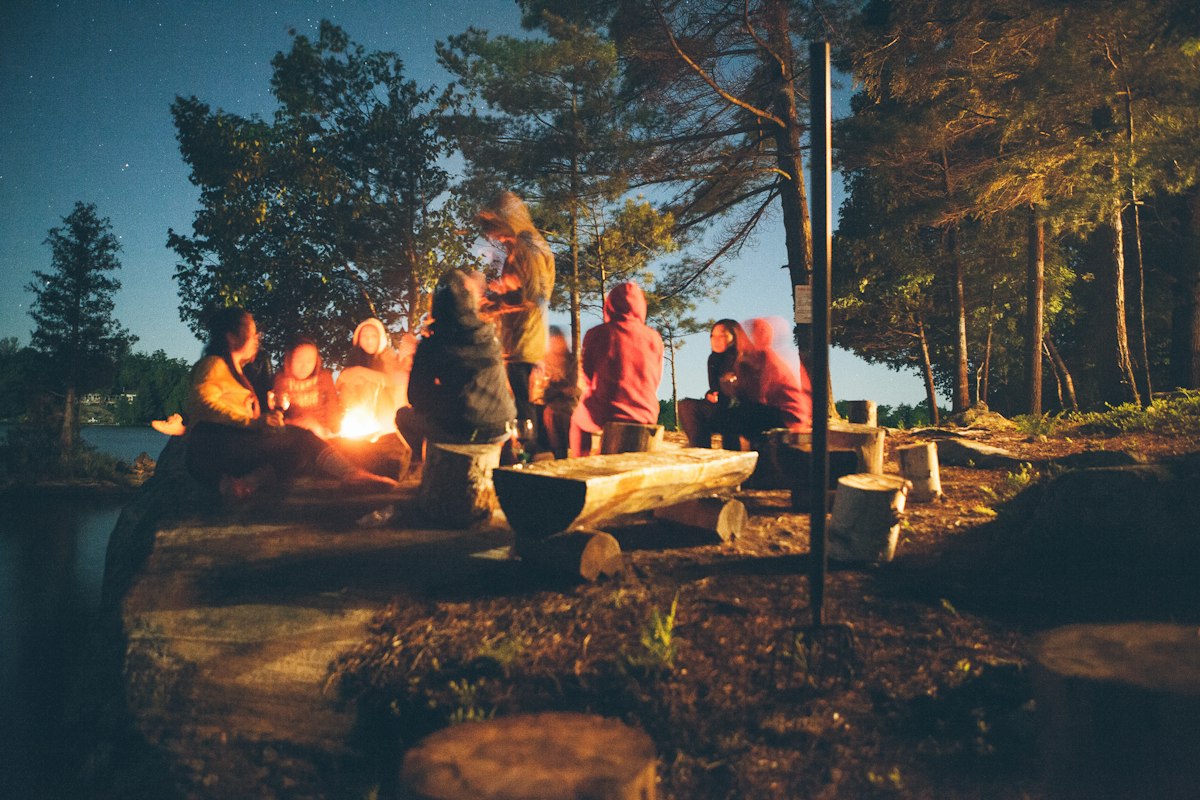
Ask ten campers where the best place to pitch a tent is, and you’ll get ten completely different answers — and all of them might be right. The truth is that “where to go camping” isn’t a single destination, it’s a decision tree. Do you want silence and solitude, or a lakeside spot with a bathhouse and a camp store fifty feet away? Are you hauling a fully loaded travel trailer, or a twenty-pound backpack? Is this a weekend with toddlers, or a solo trip meant to clear your head?
This guide breaks down every major category of camping destination in the United States and beyond, so you can match the type of trip you actually want with the kind of land that delivers it. Along the way we’ll cover what each option costs, how much planning it takes, and what gear tends to matter most. If you’re brand new to this, our camping checklist for beginners is worth a look before you commit to a destination, and if you already have a location shortlist, our guide on how to choose a campsite will help you compare individual sites once you get there.
Before diving into specific destination types, it helps to see them side by side.
| Camping Type | Typical Cost | Planning Needed | Best For |
|---|---|---|---|
| National Parks | $$ – $$$ | High (book months ahead) | Scenery, iconic landmarks |
| State Parks | $ – $$ | Moderate | Easy weekend trips |
| Dispersed/BLM | Free | Low, but self-sufficient | Solitude, budget trips |
| Beach Camping | $$ | Moderate | Coastal sunsets, tide pools |
| RV Parks | $$$ | Low | Comfort, families, hookups |
| Backcountry | Free – $ | High (permits, navigation) | Solitude, hiking-based trips |
Not sure what gear you’re missing before you head out? Start with a solid tent — it’s the foundation of nearly every trip on this list.
Shop Camping Tents1. National Parks: America’s Camping Crown Jewels
There’s a reason national parks dominate every “bucket list” camping article ever written — they genuinely offer some of the most dramatic, well-preserved landscapes on the continent. Waking up to granite cliffs, geothermal steam, or old-growth redwoods outside your tent flap is an experience that campgrounds elsewhere simply can’t replicate. The tradeoff is competition: popular parks like Yosemite, Zion, and the Great Smoky Mountains fill their reservable sites months in advance, and summer weekends can feel more like a small town than a wilderness escape.
That said, national parks reward a little strategy. Shoulder-season trips (May, September, and October in most parks) mean thinner crowds, milder weather, and a much better shot at snagging a site without booking six months out. Many parks also maintain first-come, first-served campgrounds specifically for travelers who can’t plan that far ahead, though you’ll want a backup destination in case they’re full when you arrive.
What to Expect
- Reservation systems that open on a rolling window, often exactly six months before your arrival date
- Basic amenities at most campgrounds: potable water, vault or flush toilets, bear-proof food storage
- Ranger programs, visitor centers, and marked trailheads right from your site
- Entrance fees separate from camping fees, usually valid for multiple days
Pros
- Unmatched scenery and photo opportunities
- Well-maintained trails and facilities
- Ranger-led programs and interpretive centers
Cons
- Reservations book out months in advance
- Higher fees during peak season
- Crowded parking and trailheads in summer
If a national park trip is on your calendar, don’t skimp on your shelter — a reliable tent is the difference between a dream trip and a miserable one when mountain weather turns. See our breakdown of the best camping tents for options that hold up in this kind of terrain.
Planning a national park trip? A durable, weatherproof tent is non-negotiable.
Browse Weatherproof Tents2. State Parks: Easier Access, Just as Beautiful
State parks are the unsung heroes of the camping world. They’re smaller in scale than national parks, but that’s exactly what makes them appealing — shorter drives, easier reservations, and often surprisingly gorgeous scenery without the crowds. Many state park systems maintain hundreds of properties, meaning there’s almost always one within a couple hours of a major city, which makes them perfect for a spontaneous weekend trip.
Because state parks are funded and run locally, quality and amenities vary more than in the national park system. Some rival national parks in beauty and infrastructure, complete with full hookup RV sites, cabins, and swimming areas. Others are more rustic, with pit toilets and a single water spigot. It’s worth reading recent reviews before booking, since the gap between a “state park with a splash pad” and a “state park with three sites and a gravel lot” can be significant.
Why They’re a Great Starting Point
If you’re newer to camping or planning your first trip with a family, state parks are often the gentlest introduction. Many have camp stores, ranger stations, and staff on-site, plus flatter, more forgiving terrain for setting up. Before your trip, it’s worth reviewing our full guide on how to plan a camping trip, which walks through everything from packing lists to reservation timing.
Pros
- Shorter drive times from most cities
- Easier to book than national parks
- Wide range of amenities depending on the park
Cons
- Quality varies significantly by state and park
- Can be crowded near urban areas
- Fewer “iconic” landmarks than national parks
State park sites often have picnic tables and fire rings but not much shade — a canopy or camp shelter goes a long way.
Shop Camp Shelters3. National Forests and Dispersed Camping (BLM Land)
If free camping sounds too good to be true, welcome to dispersed camping. Millions of acres of National Forest and Bureau of Land Management (BLM) land across the western United States allow camping outside of designated campgrounds at no cost, typically for a maximum stay of 14 days in one spot. There are no reservations, no check-in desks, and often no other people for miles.
The freedom comes with responsibility. Dispersed sites have no water, no toilets, no trash service, and no cell signal in most cases. You’re expected to pack out everything you bring in, bury human waste properly, and follow strict fire regulations that can change daily during dry seasons. If this concept is new to you, our detailed explainer on what dispersed camping actually is covers the rules, etiquette, and how to find legal spots using tools like public land maps and forest service websites.
Finding a Legal Spot
- Look for existing, previously-used clearings rather than creating new ones
- Stay at least 200 feet from any water source
- Check current fire restrictions before you leave home, not after you arrive
- Bring a paper map — cell service is rarely reliable in these areas
Pros
- Completely free
- Maximum privacy and quiet
- No reservation stress
Cons
- Zero amenities — you bring everything
- Requires navigation skills and self-sufficiency
- Not beginner-friendly without preparation
Dispersed camping means bringing your own water and light — a portable filter and headlamp are essentials, not extras.
Shop Water Filters4. Beach and Coastal Camping
There’s something different about falling asleep to the sound of waves instead of crickets. Coastal camping ranges from developed campgrounds set just behind the dunes to true beach camping where you can pitch a tent directly on the sand in permitted areas. Popular stretches of coastline — think the Outer Banks, the Oregon coast, or parts of the Gulf — offer a mix of both, often within the same park system.
Coastal weather is its own animal. Salt air corrodes gear faster than inland trips, wind can be relentless and constant rather than gusty, and sudden rain is common even on otherwise sunny forecasts. A tent that’s merely “water-resistant” often isn’t enough here. It’s worth reading our guide on how to make a tent fully waterproof before a coastal trip, along with our camping in the rain tips if the forecast looks unpredictable.
What Makes Beach Camping Unique
Sand stakes behave differently than standard tent stakes, sand gets into everything from zippers to sleeping bags, and shade is often nonexistent unless you bring your own. On the upside, beach campgrounds tend to have some of the best sunrise and sunset views of any destination on this list, and swimming, fishing, and tide-pooling are built-in activities you won’t find inland.
Pros
- Stunning sunrise and sunset views
- Built-in swimming and water activities
- Cooler temperatures in summer than inland sites
Cons
- Strong, constant wind is common
- Sand infiltrates gear and zippers
- Limited natural shade
Standard stakes pull right out of loose sand — sand-specific stakes and a wind-rated tent make a real difference.
Shop Sand Stakes5. Mountain and Alpine Camping
Mountain camping trades convenience for elevation — literally. Alpine campsites, whether reached by a short drive or a multi-day hike, offer thinner air, dramatic views, and temperature swings that can catch unprepared campers off guard even in the middle of summer. It’s not unusual for an alpine site to drop into the 30s (°F) overnight while the trailhead parking lot sits at a comfortable 75.
Condensation is one of the most common complaints from first-time mountain campers, since cold overnight air against a warm tent interior causes moisture buildup fast. If you’ve ever woken up to a damp sleeping bag despite dry weather, our guide on how to stop condensation in a tent explains exactly why it happens and how to prevent it. For anyone camping at altitude outside of peak summer, our articles on keeping a tent warm at night and winter tent warmth are essential reading.
Gear Considerations
- A four-season or three-season-plus tent rated for wind and cold
- An insulated sleeping pad — ground temperature drops faster than air temperature
- Layered clothing systems rather than one heavy jacket
- A stove that performs at altitude, since boiling points drop as you climb
A well-insulated sleeping pad matters more here than almost anywhere else on this list; see our picks for the best sleeping pad for winter camping if you’re heading up in shoulder season or beyond.
Nights at elevation get cold fast, even in summer. An insulated pad and a warm bag are the two items worth splurging on.
Shop Insulated Sleeping Pads6. Desert Camping
Desert landscapes offer some of the starkest, most photogenic camping anywhere — red rock canyons, endless star fields with zero light pollution, and a silence that’s hard to find elsewhere. Deserts also have one of the widest daily temperature swings of any biome, often ranging 40 to 50 degrees between midday heat and predawn cold, so packing for “one season” simply doesn’t work.
Ground conditions add another wrinkle. Much of the desert Southwest sits on hard-packed or rocky soil that standard tent stakes bounce right off of. If you’ve ever bent a stake trying to drive it into what looks like dirt but behaves like concrete, you already know the frustration. Our guide to the best tent stakes for rocky ground covers stake types built specifically for this terrain.
Desert-Specific Planning
Water is the other major constraint — most desert camping areas have no natural water source, so you’ll need to haul in everything you plan to drink, cook with, and clean with. Flash flood awareness matters too, since dry washes that look like convenient flat campsites can become dangerous within minutes during a distant storm.
Pros
- Incredible stargazing with minimal light pollution
- Dramatic, unique rock formations and scenery
- Cooler, more comfortable seasons in fall through spring
Cons
- Extreme daily temperature swings
- No natural water sources in most areas
- Flash flood risk in washes and canyons
Desert ground eats standard stakes for breakfast — upgrade before your trip, not after a bent one.
Shop Heavy-Duty Stakes7. Lakeside and Riverside Camping
Water-adjacent camping is consistently one of the most requested trip types, and it’s easy to see why: swimming, fishing, kayaking, and simply sitting near moving or still water cover a huge range of interests in one location. Lakeside campgrounds tend to be more developed, with boat launches and swim areas, while riverside sites — especially those reached by canoe or raft — can feel far more remote even when they’re not.
The one universal downside of water-adjacent camping is bugs. Mosquitoes and biting flies breed near standing and slow-moving water, and a trip can go from pleasant to miserable fast without the right prep. Our guide on how to keep bugs away while camping covers both gear and site-selection strategies that make a real difference.
Making the Most of Water-Adjacent Sites
- Book sites with at least some elevation above the waterline to avoid dampness and bugs
- Check seasonal water levels — a beautiful lakeside site in spring can be underwater by early summer at reservoirs
- Bring a dedicated camp stove for shoreline cooking rather than relying on an open fire near dry brush
Speaking of cooking, a reliable stove matters more here than you’d think, since many lakeside sites restrict open fires during dry months. See our best camping stove review for options that hold up to lakeside wind and humidity.
Bug-heavy evenings near water are common — a good repellent and a screened shelter make a big difference.
Shop Bug Shelters8. RV Parks and Established Campgrounds
Not every camping trip needs to involve roughing it, and there’s no shame in that. RV parks and full-service campgrounds cater to campers who want the outdoors experience without giving up hot showers, laundry, or a real bed. These sites typically offer water, electric, and sewer hookups, along with amenities like pools, playgrounds, and camp stores — making them especially popular for longer stays, retirees traveling full-time, and families with young kids.
Established campgrounds (whether RV-focused or tent-friendly) also tend to have the most predictable booking process of anything on this list, since sites are numbered, mapped, and reserved well in advance through a central system. If comfort is a priority, a quality cot rather than a thin sleeping pad can make a tent site feel almost as comfortable as an RV — our picks for the best camping cot for side sleepers are worth a look if you tend to wake up sore.
Who This Suits Best
Pros
- Full hookups and modern amenities
- Predictable, easy-to-book sites
- Great for families, longer stays, and less mobile travelers
Cons
- Less privacy — sites are often close together
- Higher nightly rates than dispersed or state park camping
- Can feel more like a neighborhood than wilderness
If comfort is the goal, a real cot beats a thin pad every time — especially for multi-night stays.
Shop Camping Cots9. Backcountry and Wilderness Camping
Backcountry camping means leaving the car behind entirely — sites are reached only by foot, paddle, or occasionally horseback, and reservations (where required) are usually managed through a permit system rather than a simple booking calendar. This is where camping starts to overlap heavily with backpacking, and it demands a different skill set: navigation, minimal-impact practices, and genuine self-sufficiency, since help is often hours or days away.
Gear failure matters more out here than anywhere else on this list, simply because you can’t run to a camp store or drive to a hardware shop if something breaks. A compact tent repair kit is one of the smallest, lightest items you can carry that has an outsized impact on trip safety — see our recommendations for the best tent repair kit before your next backcountry trip. Your pack itself matters just as much; our guide to the best camping backpack breaks down capacity and fit for multi-day routes.
Safety First
Because backcountry sites are remote by definition, basic safety planning becomes non-negotiable. Before heading out, review our full camping safety tips, which cover everything from wildlife encounters to emergency communication options when you’re out of cell range.
A torn tent floor miles from the trailhead is a real problem — a repair kit weighs almost nothing and solves it on the spot.
Shop Tent Repair Kits10. Family-Friendly Camping Destinations
Camping with kids changes the calculus of “where to go” considerably. The most scenic backcountry site in the world isn’t much fun if you’re also carrying a diaper bag and negotiating nap schedules. Family-friendly destinations tend to share a few traits: flat, walkable terrain, nearby restrooms, shallow and supervised swimming areas, and a short enough drive that a meltdown doesn’t derail the entire trip.
State parks and established campgrounds (see sections 2 and 8) are usually the strongest fit for families, especially ones with visitor centers, junior ranger programs, or splash pads. If you’re bringing a dog along too, not every campground allows pets or offers leash-friendly trails, so it’s worth checking policies ahead of time — our guide on camping with a dog covers what to look for in a pet-friendly site.
Keeping Everyone Fed and Happy
Meal planning also becomes more important with a family in tow, since hangry kids and complicated camp cooking don’t mix well. Our list of camping food ideas focuses on meals that are quick, low-mess, and kid-approved. And if this is a first family trip, running through our camping checklist for beginners together as a family can help set expectations before you even leave the driveway.
Pros
- Flat, accessible terrain
- Nearby amenities reduce stress
- Built-in activities for kids (splash pads, programs)
Cons
- Popular sites book up fast around school holidays
- Less solitude than remote destinations
Keep young campers entertained and safe near the fire ring with the right setup from the start.
Shop Family Camping Gear11. International Camping Destinations
Camping abroad opens up landscapes and cultural experiences that simply don’t exist domestically. New Zealand’s “freedom camping” system allows self-contained travelers to stay in designated public spots at no cost, much like a more regulated version of American dispersed camping. Patagonia offers some of the most dramatic mountain scenery on the planet, with a well-developed network of refugios and campsites along multi-day trekking circuits. Scandinavia’s “right to roam” laws (allemansrätten in Sweden) permit camping on most uncultivated land for a night or two, even without landowner permission.
International camping trips require more logistics than a domestic weekend — gear transport, language barriers around permits, and unfamiliar wildlife or terrain all factor in. A quality, packable backpack becomes even more important when you’re relying on public transit or flights to reach your starting point rather than driving your own vehicle to the trailhead; see our best camping backpack guide for options built for travel as well as trail use.
Popular Regions to Consider
- New Zealand’s South Island for freedom camping and alpine scenery
- Patagonia (Chile and Argentina) for multi-day trekking circuits
- Scotland’s Highlands under the right-to-roam access laws
- Iceland’s ring road campgrounds for dramatic, accessible landscapes
Traveling internationally means packing light without sacrificing durability — a travel-friendly backpack pulls double duty.
Shop Travel Backpacks12. Off-Grid and Boondocking Spots
Off-grid camping and “boondocking” (its RV-specific cousin) both describe the same core idea: camping without hookups, cell service, or nearby facilities, usually for an extended stretch rather than a single night. This overlaps with dispersed camping on public land, but also includes options like extended stays on private land through overnight-stay networks, or ranch and farm properties that permit self-contained camping for a fee.
Because there’s no one checking in on you, off-grid trips demand more independent problem-solving than any other category on this list. Weather changes, minor gear failures, and route-finding all fall entirely on you. If a tent starts leaking on night three of a week-long stay with no one around, knowing how to handle it yourself is essential — which loops back to two guides worth reading before you go: why your tent might be wet inside and general camping safety tips for remote, unsupervised stretches.
What Makes a Good Off-Grid Spot
- Level ground with natural windbreaks (tree lines, rock formations)
- Reasonable proximity to a legal water source, even if it needs filtering
- Existing fire rings or clearings rather than untouched ground
- A realistic exit plan if weather turns severe
Extended off-grid stays mean more time exposed to the elements — solar charging keeps essentials running without a hookup in sight.
Shop Solar ChargersFrequently Asked Questions
What’s the best time of year to go camping?
It depends heavily on destination type. Shoulder seasons (spring and fall) tend to offer the best balance of mild weather and smaller crowds in most regions, though desert camping is often best avoided in peak summer, and mountain or alpine sites may not be accessible until well into early summer depending on snowpack.
Is dispersed camping actually legal and free?
Yes, on most National Forest and BLM land, dispersed camping is legal and free, typically limited to a 14-day stay in one spot. Rules vary by district, so it’s worth checking current regulations and fire restrictions before you go.
Do I need a permit to camp in the backcountry?
Many backcountry areas, especially within national parks and popular wilderness zones, require a permit — sometimes free, sometimes with a small fee, and often limited in number per night. Check the specific land management agency’s website well before your trip.
Where should a total beginner go camping for the first time?
A developed state park or established campground close to home is the easiest starting point. Amenities like restrooms, potable water, and on-site staff reduce the number of variables you have to manage on your first trip.
Is it safe to camp alone?
Solo camping is generally safe with proper preparation, though established campgrounds or state parks are a lower-risk starting point than remote backcountry sites for a first solo trip. Always tell someone your planned location and return date.
How far in advance should I book a campsite?
Popular national park campgrounds often need to be booked five to six months ahead. State parks usually open reservation windows two to six months out, while dispersed and off-grid sites require no reservation at all.
What’s better for families — tent camping or an RV park?
RV parks and full-hookup campgrounds tend to be easier with young children due to bathroom access and amenities, though many families successfully tent camp at family-friendly state parks with similar facilities.
Can I camp on a beach?
Some coastal areas allow beach camping directly on the sand in designated zones, while others restrict camping to campgrounds set back from the shoreline. Always confirm local regulations, as rules vary widely by state and even by specific beach.
What’s the cheapest way to go camping?
Dispersed camping on National Forest or BLM land is free in most cases, making it the most budget-friendly option, followed by basic state park sites without hookups.
Do I need a four-season tent for most camping trips?
No — a three-season tent covers the vast majority of spring, summer, and fall camping. Four-season tents are only necessary for winter camping or high-altitude trips where snow load and extreme wind are a real factor.
How do I find legal dispersed camping spots?
Public land maps from the Forest Service or BLM, along with several free camping apps, show designated dispersed zones. Look for existing clearings and fire rings as a sign the spot is already established and legal.
Finding the Right Spot Comes Down to What You Actually Want
There’s no single “best” place to go camping — only the best place for the trip you’re planning right now. A first-timer with young kids and a weekend to spare wants a completely different destination than a solo backpacker chasing solitude for a week. Use the breakdown above to match your priorities (cost, comfort, scenery, solitude) to a destination type, then narrow things down from there using our guide to choosing a specific campsite.
Whatever you choose, showing up with the right gear makes every one of these destinations more enjoyable.
Shop Camping Essentials
Pingback: What Is Car Camping? Complete Beginner's Guide
Pingback: What Is Primitive Camping? Complete Beginner Guide
Pingback: Is Wild Camping Legal in the US? State Guide